มองค์ (Monk)
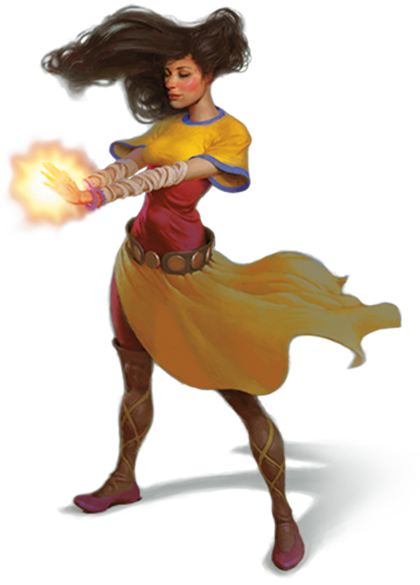
หมัดของเธอเป็นภาพพร่ามัวในขณะที่ปัดลูกธนูที่พุ่งเข้ามาเป็นสายฝน ฮาล์ฟเอลฟ์สาวโดดลอยข้ามเครื่องกีดขวาง ลอยเข้าสู่ฝูงฮอบก๊อบลิน ท่วงท่าการต่อสู้หมุนวนในอากาศอยู่ท่ามกลางพวกมัน ซัดจนล้มคว่ำไปด้านข้าง บ้างก็หมุนกลิ้งไป จนสุดท้ายเหลือแค่เธอที่ยืนอยู่ผู้เดียว
สูดหายใจเข้าเต็มปอด มนุษย์ที่สักเต็มตัวผู้หนึ่งยืนสงบอยู่ในท่าพร้อมรบ พร้อมกับที่อ็อคตัวแรกพุ่งตัวเข้าโจมตีเขา เขาพ่นลมหายใจออก คำรามดังก้องพร้อมกับระเบิดไฟออกจากปาก ไฟครอกศัตรูของเขาอย่างฉับพลัน
เคลื่อนที่อย่างเงียบเชียบในยามสนธยา ฮาล์ฟลิ่งในชุดพรางดำย่างกรายไปในเงามืดใต้ซุ้มประตูและปรากฏตัวขึ้นจากอีกด้านของระเบียงมืด เธอสไลด์ดาบของเธอให้เป็นอิสระจากผ้าที่พันไว้และแง้มหน้าต่างดูเจ้าชายทรราช ที่เปิดช่องโหว่ก่อนจะหลับใหล
ไม่ว่าวัตรปฏิบัติของพวกเขาจะเป็นอย่างไร มองค์หลอมรวมเป็นหนึ่งกับความสามารถของพวกเขาในการควบคุมพลังที่ไหลเวียนในร่างกายได้อย่างวิเศษ ไม่ว่าจะเป็นการควบคุมเพื่อใช้เป็นพลังโจมตีในการต่อสู้ หรือเน้นไปในการป้องกันและความเร็ว พลังนี้เป็นตัวขับเคลื่อนกิจกรรมทุกอย่างของมองค์
เวทย์มนต์แห่งลมปราณ (คิ) (Ki)
มองค์ศึกษาพลังงานเวทย์มนต์อย่างระมัดระวัง พลังงานที่สำนักส่วนใหญ่เรียกว่า “คิ” พลังงานนี้เป็นองค์ประกอบของเวทย์มนต์ที่มีอยู่ในมัลติเวอร์ส โดยเฉพาะอย่างยิ่ง องค์ประกอบที่ไหลเวียนอยู่ในร่างกายของสิ่งมีชีวิต มองค์ควบคุมพลังเหล่านี้ไว้ในร่างกายของพวกเขา ใช้สร้างผลพิเศษต่าง ๆ ที่เหนือกว่าร่างเนื้อของพวกเขาจะทำได้ และการโจมตีพิเศษบางอย่างของพวกเขายังสามารถควบคุมกระแสคิของคู่ต่อสู้ได้อีกด้วย เมื่อใช้พลังนี้ มองค์สามารถใช้ความเร็วเหนือมนุษย์และความแข็งแกร่งในการโจมตีด้วยมือเปล่า และเมื่อพวกเขามีประสบการณ์มากขึ้น การฝึกฝนการต่อสู้และความสามารถในการควบคุมคิยังมอบพลังอันมากมายแก่ร่างกายพวกเขาและรวมไปถึงการควบคุมคู่ต่อสู้อีกด้วย
การฝึกฝนและการบำเพ็ญพรต (Training and Asceticism)
อารามขนาดเล็กที่มีกำแพงล้อมรอบกระจายตัวอยู่ทั่วไปในดินแดนของโลกของ D&D ผู้คนจำนวนหนึ่งหลบเร้นจากกระแสของชีวิตฆารวาส เป็นที่ที่เวลาเหมือนจะหยุดนิ่ง มองค์ผู้ซึ่งอาศัยอยู่ที่นั่นเพื่อค้นหาจุดสมบูรณ์ผ่านการพิจารณาจิตและการฝึกฝนที่เข้มข้น หลายคนเข้าอารามมาตั้งแต่เด็ก ถูกส่งให้มาอยู่หลังจากที่พ่อแม่เสียชีวิต หรือเมื่อไม่มีอาหารพอจะเลี้ยงดู หรือเพื่อฝากเป็นศิษย์เพราะอาจารย์เคยมีบุญคุณกับครอบครัว
มองค์บางคนใช้ชีวิตอยู่อย่างสันโดษห่างจากผู้คน หลีกหนีทุกสิ่งที่จะรบกวนการฝึกจิตใจ บางคนเก็บตัวเงียบจะออกมาเมื่อต้องทำงานเป็นสายลับหรือนักฆ่าเมื่อได้รับคำสั่งจากหัวหน้าของพวกเขา, ขุนนางต้นสังกัด หรือองค์กรอำนาจหรือเทพเจ้าเท่านั้น
มองค์ส่วนใหญ่ไม่ได้เพิกเฉยต่อเพื่อนบ้าน พวกเขาไปมาหาสู่เมืองหรือหมู่บ้านข้างเคียงเสมอ เพื่อทำงานแลกอาหารหรือสิ่งจำเป็นอื่น ๆ และเพราะเป็นนักรบที่คล่องแคล่ว มองค์มักจะได้รับหน้าที่เป็นผู้ปกป้องเพื่อนบ้านจากมอนสเตอร์หรือผู้รุกรานเสมอ
สำหรับมองค์แล้วการมาเป็นนักผจญภัยหมายถึงการออกจากชีวิตที่เป็นระเบียบและเรียบง่ายมาเป็นผู้เร่ร่อน นี่อาจจะเป็นการเปลี่ยนแปลงที่ลำบากและมองค์ก็ไม่ได้ตัดสินใจอย่างฉาบฉวย ผู้ที่จากอารามมาจริงจังกับงานของพวกเขาเสมอ เป็นนักผจญภัยเพื่อขัดเกลาทั้งจิตวิญญาณและร่างกาย ตามกฏแล้วมองค์จะไม่สนใจความมั่งคั่งทางโลกและมักจะถูกผลักดันโดยความต้องการจะบรรลุภาระกิจที่สำคัญ มากกว่าการฆ่ามอนสเตอร์หรือสมบัติที่พบเจอ
การสร้างมองค์
เมื่อคุณสร้างตัวละครมองค์ ให้คิดถึงความเชื่อมโยงของตัวละครกับอารมที่คุณได้เรียนรู้ทักษะและใช้ชีวิตอยู่ในช่วงก่อนออกผจญภัย คุณเป็นเด็กกำพร้าหรือเด็กที่ถูกทิ้งไว้หน้าอารามหรือไม่ พ่อแม่ของคุณสัญญาไว้กับอารามว่าจะให้คุณมาอยู่เพื่อตอบแทนบุญคุณหรือเปล่า คุณมาบวชเพราะหนีคดีหรือเปล่า หรือคุณแค่เลือกเส้นทางนี้เอง
พิจารณาว่าทำไมคุณถึงออกมาเป็นนักผจญภัย เจ้าอาวาสของอารามเลือกคุณเพื่อให้รับภาระกิจสำคัญหรือ? คุณอาจจะถูกไล่ออกมาเพราะทำอะไรผิดกฏ คุณออกมาด้วยความหวาดกลัวหรือออกมาอย่างมีความสุข มีอะไรที่คุณหวังจะทำให้สำเร็จนอกอารามหรือเปล่า คุณอยากจะกลับบ้านหรือไม่
ด้วยผลจากวัตรปฏิบัติของสังคมในอารามรวมถึงการฝึกฝนเพื่อเพิ่มลมปราณ มองค์เกือบจะทั้งหมดจะอุปนิสัย (alignment) เป็นถือระเบียบ (lawful)
สร้างอย่างเร็ว
คุณสามารถสร้างมองค์อย่างเร็วโดยทำตามคำแนะนำดังนี้ อย่างแรก ให้ความคล่องแคล่ว (Dexterity) เป็นคะแนนความสามารถสูงสุด ตามมาด้วยความรอบรู้ (Wisdom) อย่างที่สองเลือกภูมิหลังเป็นผู้สันโดษ (hermit background)
ความสามารถของคลาส
เมื่อเป็นมองค์ คุณจะได้ความสามารถประจำคลาสดังนี้
ฮิตพอยต์
ฮิตไดซ์: 1d8 ต่อเลเวลมองค์
ฮิตพอยต์เมื่อเลเวล 1: 8 + ค่าโมดิไฟเออร์ความอดทน (Constitution modifier)
ฮิตพอยต์เมื่อเลเวลสูงขึ้น: 1d8 (หรือ 5) + ค่าโมดิไฟเออร์ความอดทน (Constitution modifier) ต่อเลเวลมองค์หลังจากเลเวล 1
ความชำนาญ
เกราะ: ไม่มี
อาวุธ: อาวุธอย่างง่าย, ดาบสั้น
เครื่องมือ: เลือกหนึ่งรายการจากเครื่องมือช่างฝีมือหรือจากเครื่องดนตรี
การทอยป้องกัน: ความแข็งแกร่ง (Strength), ความคล่องแคล่ว (Dexterity)
ทักษะ: เลือกสองทักษะจาก การผาดโผน (Acrobatics), พละกำลัง (Athletics), ประวัติศาสตร์ (History), การหยั่งรู้ (Insight), ศาสนา (Religion), และ การลอบเร้น (Stealth)
อุปกรณ์
คุณจะเริ่มด้วยอุปกรณ์ดังต่อไปนี้ เพิ่มเติมจากอุปกรณ์ที่ได้รับจากภูมิหลัง:
- (a) ดาบสั้น (shortsword) หนึ่งเล่ม หรือ (b) อาวุธอย่างง่าย (simple weapon) ใด ๆ
- (a) ชุดอุปกรณ์ลุยดันเจียน (dungeoneer’s pack) หรือ (b) ชุดอุปกรณ์นักสำรวจ (explorer’s pack)
- ลูกดอก (dart) 10 ลูก
การป้องกันโดยไร้เกราะ (Unarmored Defense)
เริ่มที่เลเวล 1 เมื่อคุณไม่ได้ใส่เกราะหรือโล่ ค่า AC ของคุณจะเท่ากับ 10 + ค่าโมดิไฟเออร์ของความคล่องแคล่ว (Dexterity modifier) + ค่าโมดิไฟเออร์ความรอบรู้ (Wisdom modifier)
ศิลปะการต่อสู้ (Martial Arts)
เริ่มที่เลเวล 1 การฝึกฝนศิลปะการต่อสู้ทำให้คุณชำนาญสไตล์การต่อสู้ด้วยมือเปล่าและการใช้อาวุธของมองค์ ซึ่งคือดาบสั้นและอาวุธประชิดตัวพื้นฐาน (simple melee weapon) ต่าง ๆ ที่ไม่มีคุณสมบัติใช้สองมือ (two-hand) หรือเป็นอาวุธหนัก (heavy)
คุณจะได้รับผลพิเศษดังนี้ขณะที่คุณไม่ได้ถืออาวุธหรือถืออาวุธสำหรับมองค์ และไม่ได้ใส่เกราะหรือถือโล่:
- คุณสามารถใช้คะแนนความคล่องแคล่ว (Dexterity) แทนที่จะใช้คะแนนความแข็งแกร่ง (Strength) ในการทอยโจมตีและทอยความเสียหายของการใช้ “การโจมตีมือเปล่า” (unarmed strikes) และโจมตีด้วยอาวุธมองค์
- คุณสามารถทอย d4 แทนค่าความเสียหายปกติของการใช้ การโจมตีด้วยมือเปล่า (unarmed strike) หรืออาวุธมองค์ ลูกเต๋าจะเปลี่ยนไปเมื่อเลเวลมองค์ของคุณสูงขึ้น ดังที่แสดงในคอลัมน์ “ศิลปะการต่อสู้” ในตารางมองค์
- เมื่อคุณใช้แอ็คชัน “โจมตี” (Attack) ด้วย การโจมตีด้วยมือเปล่า หรือใช้อาวุธมองค์ในเทิร์นของคุณ คุณสามารถใช้ การโจมตีด้วยมือเปล่าได้หนึ่งครั้งด้วยโบนัสแอ็คชันได้ ตัวอย่างเช่น ถ้าคุณเลือกใช้แอ็คชันโจมตี (Attack) และโจมตีด้วยไม้พลอง คุณยังสามารถเลือกโจมตีด้วยมือเปล่าโดยใช้โบนัสแอ็คชันได้ หากคุณยังไม่ได้ใช้โบนัสแอ็คชันไปในเทิร์นนั้น
ในบางสำนักก็มีการใช้อาวุธมองค์ในรูปแบบที่พิเศษออกไป ตัวอย่างเช่น คุณอาจจะใช้พลองสองท่อน (เรียกว่านันชาคุ) หรือเคียวที่มีใบเคียวสั้นตรง (เรียกว่าคามะ) ไม่ว่าคุณจะใช้อาวุธชื่ออะไร คุณสามารถใช้ค่าสแต็ตที่มีในข้อมูลอาวุธในบทที่ 5 “อุปกรณ์” ได้
ปราณ (Ki)
เริ่มที่เลเวล 2 การฝึกฝนของคุณทำให้คุณใช้พลังวิเศษในรูปของปราณได้ การเข้าถึงพลังงานนี้แสดงออกมาเป็นจำนวนครั้งที่ใช้ปราณได้ (Ki point) เลเวลของมองคืของคุณจะเป็นตัวกำหนดว่ามีจำนวนเท่าไร ดังที่แสดงในคอลัมน์ คะแนนปราณ ในตาราง
คุณสามารถใช้คะแนนนี้เป็นเชื้อเพลิงในการใช้ท่าปราณต่าง ๆ คุณเริ่มด้วยการใช้ได้ 3 ท่า เพลงหมัดหิมะโปรยปราย, สงบสยบเคลื่อนไหว และฝ่าเท้าท่องลม คุณจะเรียนรู้ท่าปราณได้มากขึ้นเมื่อเลเวลสูงขึ้น
เมื่อคุณใช้คะแนนปราณ มันจะหายไปจนกว่าคุณจะจบการพักสั้นหรือพักยาว คุณต้องใช้เวลาอย่างน้อย 30 นาทีในการพักเพื่อทำสมาธิให้คะแนนปราณกลับมา
ท่าปราณบางท่าของคุณเป็นการโจมตีที่ต้องให้ศัตรูทอยป้องกันเพื่อหลบเลี่ยงผลจากท่านั้น ค่าความยากในการทอยป้องกัน (Saving throw DC) จะคำนวนจาก:
ระดับความยากของการป้องกันท่าปราณ (Ki save DC) = 8 + ค่าโบนัสความชำนาญ + ค่าโมดิไฟเออร์ความรอบรู้ (Wisdom modifier)
เพลงหมัดหิมะโปรยปราย (Flurry of Blows)
โดยทันทีหลังจากคุณใช้แอ็คชันโจมตี (Attack) ในเทิร์นของคุณ คุณสามารถใช้ 1 คะแนนปราณในการโจมตีด้วยมือเปล่า 2 ครั้งด้วยการใช้โบนัสแอ็คชัน
สงบสยบเคลื่อนไหว (Patient Defense)
คุณสามารถใช้ 1 คะแนนปราณเพื่อใช้แอ็คชันการหลบหลีก (Dodge) ด้วยการใช้โบนัสแอ็คชันในเทิร์นของคุณ
ฝ่าเท้าท่องลม (Step of the Wind)
คุณสามารถใช้ 1 คะแนนปราณในการใช้แอ็คชัน ผละหนี (Disengage) หรือแอ็คชันการวิ่งเร็ว (Dash) ด้วยโบนัสแอ็คชันในเทิร์นของคุณ และระยะการกระโดดจะไกลขึ้นเป็นสองเท่าในเทิร์นนั้น
การเคลื่อนที่โดยไร้เกราะ (Unarmored Movement)
เริ่มที่เลเวล 2 ความเร็วของคุณจะเพิ่มขึ้น 10 ฟุตขณะที่คุณไม่สวมเกราะหรือถือโล่ โบนัสนี้จะเพิ่มขึ้นเมื่อเลเวลสูงขึ้นตามที่แสดงในตาราง
ที่เลเวล 9 คุณจะได้ความสามารถในการเคลื่อนที่ไปบนพื้นผิวตามแนวตั้งและบนผืนน้ำหรือของเหลวในเทิร์นของคุณโดยไม่ตกในขณะเคลื่อนที่
วิถีแห่งสำนัก (Monastic Tradition)
เมื่อคุณถึงเลเวล 3 คุณจะปวรณาตัวตามวิถีแห่งสำนัก: วิถีแห่งฝ่ามือ (the Way of the Open Hand), วิถีแห่งเงา (the Way of Shadow) หรือวิถีแห่งจตุธาตุ (the Way of the Four Elements) ทั้งหมดมีรายละเอียดในคำอธิบายคลาส แต่ละวิถีจะให้ความสามารถแก่คุณเมื่อถึงเลเวล 3 และอีกครั้งเมื่อเลเวล 6, 11 และ 17
ปัดกระสุน (Deflect Missiles)
เริ่มที่เลเวล 3 คุณสามารถใช้รีแอ็คชันขอคุณในการปัดหรือจับลูกธนู หรือหน้าไม้ หรือสิ่งที่ถูกยิงมานั้นได้เมื่อคุณถูกโจมตีด้วยอาวุธยิงระยะไกล เมื่อทำดังนั้นความเสียหายจะลดลงเป็น 1d10 + ค่าโมดิไฟเออร์ความคล่องแคล่ว (Dexterity modifier) + เลเวลมองค์
ถ้าความเสียหายลดลงเป็น 0 คุณสามารถจับลูกศรหรือสิ่งที่ถูกยิงมานั้นได้หากมันมีขนาดเล็กพอที่จะจับได้ด้วยมือข้างเดียว และคุณต้องมีมือว่างอย่างน้อย 1 ข้าง ถ้าคุณจับกระสุนนั้นได้ในกรณีนี้ คุณสามารถใช้ 1 คะแนนปราณในการโจมตีระยะไกลด้วยอาวุธหรือสิ่งที่ถูกยิงมาที่คุณจับไว้ได้นั้น โดยให้เป็นส่วนหนึ่งของรีแอ็คชัน คุณจะโจมตีโดยมีโบนัสความชำนาญด้วย โดยไม่คำนึงถึงว่าคุณมีความชำนาญในอาวุธนั้นหรือไม่ และกระสุนที่ปัดได้นั้นจะนับเป็นอาวุธมองค์ในการโจมตี ซึ่งจะมีระยะปกติอยู่ที่ 20 ฟุตและระยะไกลสุด 60 ฟุต
เพิ่มคะแนนความสามารถ (Ability Score Improvement)
เมื่อคุณถึงเลเวล 4 และอีกครั้งเมื่อเลเวล 8, 12, 16 และ 19 คุณสามารถเพิ่มคะแนนความสามารถหนึ่งอย่างตามที่คุณเลือกได้ 2 คะแนน หรือเพิ่ม 1 คะแนนให้กับสองทักษะก็ได้ โดยปกติแล้วคุณจะไม่สามารถเพิ่มคะแนนความสามารถได้มากกว่า 20 หากใช้คุณลักษณะนี้
วิชาตัวเบา (Slow Fall)
เริ่มที่เลเวล 4 คุณสามารถใช้รีแอ็คชันในการลดความเสียหายจากการตก (falling) ที่คุณจะได้รับ เป็นจำนวน 5 เท่าของเลเวลมองค์
การโจมตีพิเศษ (Extra Attack)
เริ่มที่เลเวล 5 คุณสามารถโจมตีได้ 2 ครั้ง เมื่อคุณใช้แอ็คชันโจมตี (Attack) ในเทิร์นของคุณ
ฝ่ามือพญายม (Stunning Strike)
เริ่มที่เลเวล 5 คุณสามารถรบกวนการไหลเวียนของปราณในร่างกายของฝ่ายตรงข้ามได้ เมื่อคุณโจมตีสิ่งมีชีวิตอื่นด้วยอาวุธประชิดตัว คุณสามารถใช้ 1 คะแนนปราณในการพยายามโจมตีให้ศัตรูมึนงง เป้าหมายต้องทอยป้องกันความอดทน (Constitution saving throw) หรือติดสถานะมึนงง (stunned) จนกว่าจะจบเทิร์นต่อไปของคุณ
หมัดรัศมีปราณ (Ki-Empowered Strikes)
เริ่มที่เลเวล 6 การโจมตีด้วยมือเปล่าของคุณจะนับเป็นการโจมตีด้วยเวทย์มนต์ (magical) เพื่อเลี่ยงการต้านทานหรือการมีภูมิคุ้มกันต่อการโจมตีและความเสียหายจากการโจมตีแบบไม่มีเวทย์มนต์
การหลบหลีก (Evasion)
เมื่อถึงเลเวล 7 สัญชาตญาณความคล่องแคล่วของคุณจะทำให้คุณหลบหลีกการโจมตีแบบพื้นที่บางอย่างได้ เช่นลมหายใจสายฟ้าของมังกรน้ำเงินหรือคาถาลูกไฟ (fireball) เมื่อคุณถูกโจมตีด้วยผลกระทบที่ต้องให้คุณทอยทดสอบความคล่องแคล่ว (Dexterity saving throw) เพื่อให้รับความเสียหายครึ่งหนึ่ง คุณจะไม่ต้องรับความเสียหายใด ๆ เลยถ้าคุณทอยป้องกันผ่าน และจะเสียหายครึ่งเดียวถ้าทอยไม่ผ่าน
จิตตั้งมั่น (Stillness of Mind)
เริ่มที่เลเวล 7 คุณสามารถใช้แอ็คชันในการจบสถานะหนึ่งที่ติดตัวคุณที่ทำให้คุณติดสถานะหลงใหล (charmed) หรือหวาดกลัว (frightened)
กายาพิสุทธิ์ (Purity of Body)
เริ่มที่เลเวล 10 คุณชำนาญการโคจรปราณภายในร่างกายและทำให้คุณมีภูมิคุ้มกัน (immune) การติดโรค (disease) และพิษ (poison)
ชิวหาแห่งตะวันจันทรา (Tongue of the Sun and Moon)
เริ่มที่เลเวล 13 คุณเรียนรู้ที่จะสัมผัสปราณของจิตใจของผู้อื่นดังนั้นจึงทำให้คุณเข้าใจภาษาทุกภาษา ยิ่งไปกว่านั้นสิ่งมีชีวิตใดที่สามารถเข้าใจภาษาได้จะเข้าใจว่าคุณพูดอะไร
วิญญาณวัชระ (Diamond Soul)
เริ่มที่เลเวล 14 ความชำนาญด้านปราณของคุณทำให้คุณใช้โบนัสความชำนาญได้ในทุกการทอยป้องกัน
นอกจากนั้น เมื่อใดก็ตามที่คุณทอยป้องกันแล้วพลาด คุณสามารถใช้ 1 คะแนนปราณในการทอยใหม่และต้องใช้ผลจากการทอยครั้งที่ 2 นี้
ร่างไร้กาล (Timeless Body)
ที่เลเวล 15 ปราณของคุณจะรักษาร่างกายของคุณไม่ให้แก่ชรา และคุณไม่สามารถอายุมากขึ้นจากเวทย์มนต์ได้ คุณยังตายจากความชราได้ นอกจากนั้นคุณจะไม่ต้องการอาหารหรือน้ำในการประทังชีวิต
ร่างไร้เงา (Empty Body)
เริ่มที่เลเวล 18 คุณสามารถใช้แอ็คชันในการใช้ 4 คะแนนปราณเพื่อล่องหน (invisible) ได้ 1 นาที ระหว่างช่วงเวลานี้คุณจะมีความต้านทาน (resistance) ความเสียหายทุกชนิดยกเว้นความเสียหายจากพลัง (force)
นอกจากนั้น คุณสามารถใช้ 8 คะแนนปราณในการร่ายคาถา ฉายากายทิพย์ (astral projection) โดยไม่ต้องใช้วัตถุเวทย์ เมื่อคุณใช้คุณจะไม่สามารถนำสิ่งมีชีวิตใด ๆ ไปกับคุณได้
ร่างปรมัต (Perfect Self)
ที่เลเวล 20 เมื่อคุณทอยจัดลำดับการโจมตี (initiative) และไม่มีคะแนนปราณเหลือ คุณจะได้รับปราณ 4 คะแนน
ความสามารถคลาสเพิ่มเติม (Optional Class Features)
อาวุธเฉพาะตน (Dedicated Weapon)
ความสามารถมองค์เลเวล 2
คุณฝึกฝนร่างกายให้ใช้อาวุธได้หลากหลายไม่ใช่แค่อาวุธประชิดตัวพื้นฐานและดาบสั้น เมื่อใดที่คุณจบการพักสั้นหรือพักยาว คุณสามารถแตะอาวุธหนึ่งชิ้น ถ่ายกระแสปราณไปที่มัน และคุณจะสามาถใช้อาวุธนั้นได้เป็นอาวุธของมองค์ไปจนกว่าคุณจะใช้ความสามารถนี้อีกครั้ง
อาวุธที่เลือกต้องมีลักษณะดังนี้:
- อาวุธจะต้องเป็นอาวุธพื้นฐาน (simple) หรืออาวุธศึก (martial)
- คุณต้องมีความชำนาญในการใช้งาน (proficient).
- มันต้องไม่มีคุณสมบัติ อาวุธหนัก (heavy) และอาวุธพิเศษ (special)
การโจมตีด้วยปราณ (Ki-Fueled Attack)
ความสามารถมองค์เลเวล 3
ถ้าคุณใช้ 1 คะแนนปราณหรือมากกว่าในแอ็คชันการโจมตีในเทิร์นของคุณ คุณสามารถโจมตีด้วยการโจมตีแบบมือเปล่าหรือใช้อาวุธมองค์ได้อีก 1 ครั้ง ด้วยโบนัสแอ็คชันก่อนที่จะจบเทิร์นของคุณ
การฟื้นฟูอย่างรวดเร็ว (Quickened Healing)
ความสามารถมองค์เลเวล 4
โดยใช้แอ็คชัน คุณสามารถใช้ 2 คะแนนปราณและทอยลูกเต๋าศิลปะการต่อสู้ (Martial Arts die) คุณจะฟื้นฟูฮิตพอยท์เท่ากับจำนวนที่ทอยได้บวกกับค่าโบนัสความชำนาญ
เพ่งสมาธิเล็งเป้าหมาย (Focused Aim)
ความสามารถมองค์เลเวล 5
ถ้าคุณทอยโจมตีพลาด คุณสามารถใช้ 1 - 3 คะแนนปราณในการเพิ่มค่าการทอยโจมตีขึ้น 2 แต้มสำหรับแต่ละคะแนนปราณที่คุณใช้ไป เพื่อเพิ่มโอกาสที่จะเปลี่ยนจากโจมตีพลาดเป็นโจมตีโดนได้
วิถีแห่งสำนัก (Monastic Traditions)
วิถีแห่งสำนักทั้งหลายเป็นสิ่งที่อารามทั่วทั้งจักรวาลสั่งสอนศิษย์ สำนักส่วนใหญ่จะเลือกปฏิบัติในแนวทางใดแนวทางหนึ่งโดยเฉพาะ แต่ก็มีบางแห่งที่สอนหลากหลายวิถีและให้ศิษย์เลือกเส้นทางของตนเองเมื่อมีความสามารถมากขึ้น มองค์ต้องเลือกวิถีเหล่านี้เมื่อถึงเลเวล 3
วิถีแห่งความเมตตา (Way of Mercy)
Tasha’s Cauldron of Everything
มองค์แห่งวิถีแห่งความเมตตาเรียนรู้ที่จะควบคุมพลังชีวิตของผู้อื่นเพื่อมอบความช่วยเหลือแก่ผู้ทุกข์ยาก พวกเขาเป็นดั่งแพทย์พเนจรเพื่อคนยากไร้และผู้บาดเจ็บ ทว่าสำหรับผู้ที่เกินเยียวยา พวกเขาจะมอบจุดจบอันรวดเร็วให้เป็นดั่งการุณยฆาต
ผู้ที่เดินตามวิถีแห่งความเมตตาอาจเป็นสมาชิกของภาคีทางศาสนา ที่คอยดูแลผู้ยากไร้และทำการตัดสินใจอันเด็ดขาดบนพื้นฐานของความเป็นจริงมากกว่าอุดมคติ บางคนอาจเป็นผู้รักษาที่มีน้ำเสียงอ่อนโยนอันเป็นที่รักของชุมชน ขณะที่บางคนอาจเป็นผู้นำพาความการุณย์อันน่าขนลุกภายใต้หน้ากาก
ผู้ฝึกฝนวิถีนี้มักสวมเสื้อคลุมที่มีฮู้ดลึก และมักจะปกปิดใบหน้าด้วยหน้ากาก เพื่อแสดงตนเป็นผู้นำพาชีวิตและความตายที่ไร้ใบหน้า
อุปกรณ์แห่งความเมตตา (Implements of Mercy)
ความสามารถวิถีแห่งความเมตตา เลเวล 3
คุณได้รับความชำนาญในทักษะ การหยั่งรู้ (Insight) และ การแพทย์ (Medicine) รวมถึงได้รับความชำนาญใน ชุดอุปกรณ์ปรุงยาสมุนไพร (herbalism kit) นอกจากนี้คุณยังได้รับหน้ากากพิเศษ ซึ่งคุณมักจะสวมใส่เมื่อใช้ความสามารถของคลาสย่อยนี้ คุณสามารถกำหนดรูปลักษณ์ของมันเอง หรือทอยสุ่มจากตารางหน้ากากแห่งความเมตตา
หน้ากากแห่งความเมตตา (Merciful Mask)
| d6 | รูปลักษณ์หน้ากาก (Mask Appearance) |
|---|---|
| 1 | กาเรเวน (Raven) |
| 2 | สีขาวว่างเปล่า (Blank and white) |
| 3 | ดวงหน้าร่ำไห้ (Crying visage) |
| 4 | ดวงหน้าหัวเราะ (Laughing visage) |
| 5 | หัวกะโหลก (Skull) |
| 6 | ผีเสื้อ (Butterfly) |
หัตถ์เยียวยา (Hand of Healing)
ความสามารถวิถีแห่งความเมตตา เลเวล 3
สัมผัสลี้ลับของคุณสามารถสมานบาดแผลได้ เมื่อใช้แอ็คชัน คุณสามารถใช้ 1 คะแนนปราณเพื่อสัมผัสสิ่งมีชีวิตหนึ่งตัวและฟื้นฟูฮิตพอยต์เท่ากับผลทอยลูกเต๋าศิลปะการต่อสู้ของคุณ 1 ลูก + ค่าโมดิไฟเออร์ความรอบรู้ของคุณ
เมื่อคุณใช้ เพลงหมัดหิมะโปรยปราย (Flurry of Blows) คุณสามารถแทนที่การโจมตีมือเปล่าหนึ่งครั้งด้วยการใช้ความสามารถนี้ได้โดยไม่ต้องเสียคะแนนปราณสำหรับการรักษา
หัตถ์สังหาร (Hand of Harm)
ความสามารถวิถีแห่งความเมตตา เลเวล 3
คุณใช้ปราณเพื่อสร้างบาดแผล เมื่อคุณโจมตีสิ่งมีชีวิตโดนด้วยการโจมตีมือเปล่า คุณสามารถใช้ 1 คะแนนปราณเพื่อสร้างความเสียหายแบบเน่าสลาย (necrotic damage) เพิ่มเติมเท่ากับผลทอยลูกเต๋าศิลปะการต่อสู้ของคุณ 1 ลูก + ค่าโมดิไฟเออร์ความรอบรู้ของคุณ คุณสามารถใช้ความสามารถนี้ได้เพียงหนึ่งครั้งต่อเทิร์น
สัมผัสของแพทย์ (Physician’s Touch)
ความสามารถวิถีแห่งความเมตตา เลเวล 6
คุณสามารถมอบการรักษาที่ดียิ่งขึ้นได้ด้วยการสัมผัส และหากเห็นว่าจำเป็น คุณสามารถใช้ความรู้ของคุณเพื่อสร้างภัยได้เช่นกัน
เมื่อคุณใช้ หัตถ์เยียวยา (Hand of Healing) กับสิ่งมีชีวิต คุณยังสามารถยุติโรคหนึ่งอย่าง หรือยุติหนึ่งในสภาวะต่อไปนี้ที่มีผลต่อสิ่งมีชีวิตนั้น: ตาบอด (blinded), หูหนวก (deafened), อัมพาต (paralyzed), ติดพิษ (poisoned), หรือ มึนงง (stunned)
เมื่อคุณใช้ หัตถ์สังหาร (Hand of Harm) กับสิ่งมีชีวิต คุณสามารถทำให้สิ่งมีชีวิตนั้นติดสภาวะ ติดพิษ (poisoned) จนกระทั่งสิ้นสุดเทิร์นถัดไปของคุณ
พายุกระหน่ำแห่งการเยียวยาและทำลาย (Flurry of Healing and Harm)
ความสามารถวิถีแห่งความเมตตา เลเวล 11
คุณสามารถปลดปล่อยกระบวนท่าแห่งการบรรเทาและการทำร้ายอย่างต่อเนื่อง เมื่อคุณใช้ เพลงหมัดหิมะโปรยปราย (Flurry of Blows) คุณสามารถแทนที่การโจมตีมือเปล่าแต่ละครั้งด้วยการใช้ หัตถ์เยียวยา (Hand of Healing) ได้โดยไม่ต้องเสียคะแนนปราณสำหรับการรักษา
นอกจากนี้ เมื่อคุณทำการโจมตีมือเปล่าด้วย เพลงหมัดหิมะโปรยปราย คุณสามารถใช้ หัตถ์สังหาร (Hand of Harm) ร่วมกับการโจมตีนั้นได้โดยไม่ต้องเสียคะแนนปราณสำหรับ หัตถ์สังหาร คุณยังคงใช้ หัตถ์สังหาร ได้เพียงหนึ่งครั้งต่อเทิร์น
หัตถ์มหาการุณย์ (Hand of Ultimate Mercy)
ความสามารถวิถีแห่งความเมตตา เลเวล 17
ความเชี่ยวชาญในพลังงานแห่งชีวิตของคุณเปิดประตูสู่ความเมตตาสูงสุด เมื่อใช้แอ็คชัน คุณสามารถสัมผัสซากศพของสิ่งมีชีวิตที่ตายไปไม่เกิน 24 ชั่วโมงและใช้ 5 คะแนนปราณ สิ่งมีชีวิตนั้นจะฟื้นคืนชีพกลับมาพร้อมฮิตพอยต์เท่ากับ 4d10 + ค่าโมดิไฟเออร์ความรอบรู้ของคุณ หากสิ่งมีชีวิตนั้นตายในขณะที่ติดสภาวะใด ๆ ต่อไปนี้ มันจะฟื้นขึ้นมาโดยสภาวะเหล่านั้นถูกลบล้างไป: ตาบอด (blinded), หูหนวก (deafened), อัมพาต (paralyzed), ติดพิษ (poisoned), และ มึนงง (stunned)
เมื่อคุณใช้ความสามารถนี้แล้ว คุณจะไม่สามารถใช้ได้อีกจนกว่าคุณจะจบการพักยาว
วิถีแห่งเงา (Way of Shadow)
มองค์แห่งวิถีแห่งเงาเจริญรอยตามประเพณีที่ให้ค่ากับการลอบเร้นและการหลบเลี่ยง มองค์เหล่านี้อาจจะเรียกว่าเป็นนินจาหรือนักเต้นในเงามืด พวกเขารับงานเป็นสายลับหรือนักฆ่า บางครั้งสมาชิกของสำนักนินจาก็เป็นสมาชิกในครอบครัว รวมตัวกันเป็นสกุลที่สาบานจะรักษาความลับของวิชาและภารกิจ สำนักอื่นจะมีลักษณะคล้ายสมาคมโจร รับจ้างงานต่าง ๆ จากพวกขุนนาง พ่อค้าที่ร่ำรวย และใครก็ตามที่จ่ายค่าจ้าง ไม่เกี่ยงว่าจะใช้วิธีอะไร หัวหน้าของสำนักเหล่านี้ต้องการแค่ให้ศิษย์ทำงานให้อย่างไม่มีข้อโต้แย้ง
ศิลปะการใช้เงา (Shadow Arts)
เริ่มเมื่อคุณเลือกวิถีนี้เมื่อตอนเลเวล 3 คุณสามารถใช้ปราณของคุณในการทำซ้ำผลกระทบจากคาถาได้ โดยการใช้แอ็คชันคุณสามารถใช้ 2 คะแนนปราณในการร่ายคาถา ความมืด (darkness), การมองในที่มืด (darkvision), ย่างกรายไร้ร่องรอย (pass without trace), หรือ ความเงียบงัน (silence) โดยไม่ต้องใช้วัตถุเวทย์ นอกจากนั้นคุณยังจะรู้คาถาแคนทริป ภาพลวงตาเล็ก (minor illusion) ถ้าคุณยังไม่เคยเรียนรู้คาถานี้มาก่อน
ก้าวย่างเงา (Shadow Step)
ที่เลเวล 6 คุณจะได้ความสามารถในการเคลื่อนที่จากเงาหนึ่งไปอีกเงาหนึ่ง เมื่อคุณอยู่ในแสงสลัว (dim light) หรือมืดสนิท (darkness) โดยการใช้โบนัสแอ็คชันคุณสามารถเทเลพอร์ตในระยะ 60 ฟุตไปที่ช่องว่างที่คุณมองเห็นและไม่มีใครอยู่ที่อยู่ในบริเวณแสงสลัวหรือมืดสนิท ซึ่งคุณจะได้ทอยแบบได้เปรียบในการโจมตีระยะประชิดตัวครั้งแรกที่คุณโจมตี ก่อนจะจบเทิร์นของคุณ
ผ้าคลุมแห่งเงา (Cloak of Shadows)
ที่เลเวล 11 คุณจะได้เรียนรู้การเป็นหนึ่งเดียวกับเงา เมื่อคุณอยู่ในพื้นที่แสงสลัว (dim light) หรือมืดสนิท (darkness) คุณสามารถใช้แอ็คชันในการล่องหนได้ คุณจะคงสภาพล่องหนจนถึงเมื่อคุณทำการโจมตี ร่ายคาถา หรือออกมาอยู่ในพื้นที่แสงจ้า
นักฉวยโอกาส (Opportunist)
ที่เลเวล 17 คุณสามารถฉวยโอกาสตอนที่ศัตรูไขว้เขวขณะถูกโจมตี เมื่อใดก็ตามที่สิ่งมีชีวิตในระยะ 5 ฟุตของคุณถูกโจมตีโดยคนอื่นที่ไม่ใช่คุณ คุณสามารถใช้รีแอ็คชันในการโจมตีระยะประชิดใส่ศัตรูนั้นได้
วิถีแห่งกายทิพย์ (Way of the Astral Self)
Tasha’s Cauldron of Everything
มองค์ผู้เดินตามวิถีแห่งกายทิพย์เชื่อว่าร่างกายเนื้อเป็นเพียงภาพลวงตา พวกเขามองว่าปราณคือตัวแทนของร่างที่แท้จริง นั่นคือกายทิพย์ กายทิพย์นี้สามารถเป็นพลังแห่งระเบียบหรือความโกลาหล โดยบางอารามจะฝึกสอนศิษย์ให้ใช้พลังนี้เพื่อปกป้องผู้อ่อนแอ ขณะที่บางแห่งก็สอนผู้ฝึกฝนให้แสดงตัวตนที่แท้จริงเพื่อรับใช้ผู้มีอำนาจ
รูปลักษณ์แห่งกายทิพย์ของคุณ (FORMS OF YOUR ASTRAL SELF)
กายทิพย์คือการแสดงตัวตนอันโปร่งแสงของจิตวิญญาณมองค์ ด้วยเหตุนี้ กายทิพย์จึงสามารถสะท้อนแง่มุมของภูมิหลัง อุดมคติ ข้อบกพร่อง และสายสัมพันธ์ของมองค์ได้ และกายทิพย์ก็ไม่จำเป็นต้องดูเหมือนตัวมองค์เสมอไป ตัวอย่างเช่น กายทิพย์ของมนุษย์ร่างผอมเก้งก้างอาจมีลักษณะคล้ายมิโนทอร์ อันเป็นพลังความแข็งแกร่งที่มองค์รู้สึกได้จากภายใน หรือในทางเดียวกัน มองค์ออร์กอาจแสดงแขนที่บางเบาประดุจผ้าไหมและใบหน้าอันอ่อนช้อย ซึ่งเป็นตัวแทนของความงามอันอ่อนโยนในวิญญาณของออร์ก กายทิพย์แต่ละตนล้วนมีเอกลักษณ์เฉพาะตัว และมองค์บางคนในวิถีนี้เป็นที่รู้จักจากรูปลักษณ์กายทิพย์มากกว่ารูปลักษณ์ทางกายภาพเสียอีก
เมื่อเลือกเส้นทางนี้ ให้พิจารณาถึงลักษณะเฉพาะที่บ่งบอกตัวตนมองค์ของคุณ คุณหมกมุ่นอยู่กับสิ่งใดหรือไม่? คุณถูกขับเคลื่อนด้วยความยุติธรรมหรือความปรารถนาอันเห็นแก่ตัว? แรงจูงใจเหล่านี้ล้วนสามารถปรากฏออกมาในรูปร่างกายทิพย์ของคุณได้
หัตถ์แห่งกายทิพย์ (Arms of the Astral Self)
ความสามารถวิถีแห่งกายทิพย์ เลเวล 3
ความเชี่ยวชาญในปราณช่วยให้คุณสามารถอัญเชิญส่วนหนึ่งของกายทิพย์ออกมาได้ เมื่อใช้โบนัสแอ็คชัน คุณสามารถใช้ 1 คะแนนปราณเพื่ออัญเชิญแขนแห่งกายทิพย์ของคุณ เมื่อทำเช่นนั้น สิ่งมีชีวิตแต่ละตัวที่คุณเลือกและมองเห็นในระยะ 10 ฟุตจากตัวคุณ ต้องทอยป้องกันความคล่องแคล่ว (Dexterity saving throw) ให้ผ่าน มิฉะนั้นจะได้รับความเสียหายแบบพลังงาน (force damage) เท่ากับผลทอยลูกเต๋าศิลปะการต่อสู้ของคุณ 2 ลูก
แขนทิพย์นี้จะลอยอยู่ใกล้ไหล่หรือโอบล้อมแขนของคุณ (ตามที่คุณเลือก) เป็นเวลา 10 นาที คุณเป็นผู้กำหนดรูปลักษณ์ของแขน และมันจะสลายตัวไปก่อนเวลาหากคุณ หมดสภาพ (incapacitated) หรือตาย ขณะที่แขนทิพย์ยังคงอยู่ คุณจะได้รับประโยชน์ดังต่อไปนี้:
- คุณสามารถใช้ค่าโมดิไฟเออร์ความรอบรู้แทนค่าโมดิไฟเออร์ความแข็งแกร่งเมื่อทำการทอยทดสอบความแข็งแกร่ง (Strength check) และทอยป้องกันความแข็งแกร่ง (Strength saving throw)
- คุณสามารถใช้แขนทิพย์ในการโจมตีมือเปล่าได้
- เมื่อคุณทำการโจมตีมือเปล่าด้วยแขนทิพย์ในเทิร์นของคุณ ระยะเอื้อม (reach) ในการโจมตีจะเพิ่มขึ้นอีก 5 ฟุตจากปกติ
- การโจมตีมือเปล่าที่คุณทำด้วยแขนทิพย์สามารถใช้ค่าโมดิไฟเออร์ความรอบรู้แทนค่าโมดิไฟเออร์ความแข็งแกร่งหรือความคล่องแคล่วสำหรับการทอยโจมตีและทอยความเสียหายได้ และชนิดความเสียหายจะเป็นแบบพลังงาน (force)
พักตร์แห่งกายทิพย์ (Visage of the Astral Self)
ความสามารถวิถีแห่งกายทิพย์ เลเวล 6
คุณสามารถอัญเชิญใบหน้าแห่งกายทิพย์ของคุณได้ เมื่อใช้โบนัสแอ็คชัน หรือเป็นส่วนหนึ่งของโบนัสแอ็คชันที่คุณใช้เปิดใช้งาน หัตถ์แห่งกายทิพย์ คุณสามารถใช้ 1 คะแนนปราณเพื่ออัญเชิญใบหน้านี้เป็นเวลา 10 นาที มันจะสลายตัวไปก่อนเวลาหากคุณ หมดสภาพ (incapacitated) หรือตาย
ใบหน้าทิพย์นี้จะปกคลุมใบหน้าของคุณคล้ายหมวกเกราะหรือหน้ากาก คุณเป็นผู้กำหนดรูปลักษณ์ของมัน
ขณะที่ใบหน้าทิพย์ยังคงอยู่ คุณจะได้รับประโยชน์ดังต่อไปนี้:
จักษุทิพย์ (Astral Sight). คุณสามารถมองเห็นได้ตามปกติในความมืด ทั้งความมืดจากเวทมนตร์และไม่ใช่เวทมนตร์ ในระยะ 120 ฟุต
ปัญญาแห่งวิญญาณ (Wisdom of the Spirit). คุณได้ทอยแบบได้เปรียบในการทอยทดสอบความรอบรู้ ทักษะ การหยั่งรู้ (Insight) และการทอยทดสอบเสน่ห์ ทักษะ การข่มขวัญ (Intimidation)
สุรเสียงแห่งวิญญาณ (Word of the Spirit). เมื่อคุณพูด คุณสามารถส่งเสียงของคุณไปยังสิ่งมีชีวิตที่คุณเลือกและมองเห็นในระยะ 60 ฟุต เพื่อให้มีเพียงสิ่งมีชีวิตนั้นเท่านั้นที่ได้ยินคุณ หรืออีกทางหนึ่ง คุณสามารถขยายเสียงของคุณเพื่อให้สิ่งมีชีวิตทั้งหมดในระยะ 600 ฟุตได้ยินคุณ
กายาแห่งกายทิพย์ (Body of the Astral Self)
ความสามารถวิถีแห่งกายทิพย์ เลเวล 11
เมื่อคุณอัญเชิญทั้งแขนและใบหน้าแห่งกายทิพย์ออกมาแล้ว คุณสามารถทำให้ร่างกายของกายทิพย์ปรากฏขึ้นได้ (ไม่ต้องใช้แอ็คชัน) ร่างทิพย์นี้จะปกคลุมร่างกายเนื้อของคุณราวกับชุดเกราะ โดยเชื่อมต่อกับแขนและใบหน้า คุณเป็นผู้กำหนดรูปลักษณ์ของมัน
ขณะที่ร่างทิพย์ยังคงอยู่ คุณจะได้รับประโยชน์ดังต่อไปนี้:
เบี่ยงเบนพลังงาน (Deflect Energy). เมื่อคุณได้รับความเสียหายแบบกรด (acid), ความเย็น (cold), ไฟ (fire), พลังงาน (force), สายฟ้า (lightning), หรือฟ้าร้อง (thunder) คุณสามารถใช้รีแอ็คชันของคุณเพื่อเบี่ยงเบนความเสียหายนั้นได้ เมื่อทำเช่นนั้น ความเสียหายที่คุณได้รับจะลดลง 1d10 + ค่าโมดิไฟเออร์ความรอบรู้ของคุณ (ลดลงอย่างน้อย 1 หน่วย)
เสริมพลังหัตถ์ (Empowered Arms). หนึ่งครั้งในแต่ละเทิร์นของคุณ เมื่อคุณโจมตีเป้าหมายโดนด้วย หัตถ์แห่งกายทิพย์ คุณสามารถสร้างความเสียหายเพิ่มเติมแก่เป้าหมายเท่ากับลูกเต๋าศิลปะการต่อสู้ของคุณ
กายทิพย์ตื่นรู้ (Awakened Astral Self)
ความสามารถวิถีแห่งกายทิพย์ เลเวล 17
การเชื่อมต่อกับกายทิพย์ของคุณสมบูรณ์พร้อม ทำให้คุณสามารถปลดปล่อยศักยภาพสูงสุดออกมาได้ เมื่อใช้โบนัสแอ็คชัน คุณสามารถใช้ 5 คะแนนปราณเพื่ออัญเชิญแขน ใบหน้า และร่างกายของกายทิพย์ พร้อมปลุกให้ตื่นรู้เป็นเวลา 10 นาที การตื่นรู้นี้จะสิ้นสุดลงก่อนเวลาหากคุณ หมดสภาพ (incapacitated) หรือตาย
ขณะที่กายทิพย์ของคุณตื่นรู้ คุณจะได้รับประโยชน์ดังต่อไปนี้:
เกราะแห่งวิญญาณ (Armor of the Spirit). คุณได้รับโบนัส +2 แก่ระดับการป้องกัน (Armor Class)
เพลงหมัดกายทิพย์ (Astral Barrage). เมื่อใดก็ตามที่คุณใช้ความสามารถ การโจมตีพิเศษ (Extra Attack) เพื่อโจมตีสองครั้ง คุณสามารถโจมตีได้สามครั้งแทน หากการโจมตีทั้งหมดทำด้วยแขนกายทิพย์ของคุณ
วิถีแห่งหมัดเมา (Way of the Drunken Master)
Xanathar’s Guide to Everything
วิถีแห่งหมัดเมาสั่งสอนศิษย์ให้เคลื่อนไหวด้วยท่วงท่ากระตุกและคาดเดาไม่ได้ประดุจคนเมาสุรา ปรมาจารย์หมัดเมาจะโยกเยก โซเซด้วยฝีเท้าที่ไม่มั่นคง เพื่อแสดงตนประหนึ่งนักสู้ไร้ฝีมือที่ทำให้คู่ต่อสู้ต้องหัวเสีย การซวนเซอย่างไร้ทิศทางของปรมาจารย์หมัดเมาแท้จริงแล้วซ่อนการร่ายรำอันแม่นยำของการปัดป้อง สวนกลับ รุกคืบ โจมตี และล่าถอยเอาไว้
ปรมาจารย์หมัดเมามักสนุกกับการแกล้งทำตัวโง่เขลาเพื่อนำความสุขมาสู่ผู้สิ้นหวัง หรือเพื่อสั่งสอนความอ่อนน้อมถ่อมตนแก่ผู้เย่อหยิ่ง ทว่าเมื่อการต่อสู้เริ่มต้นขึ้น ปรมาจารย์หมัดเมากลับเป็นศัตรูที่ร้ายกาจและเชี่ยวชาญจนน่าหวาดหวั่น
ความสามารถประจำวิถีแห่งหมัดเมา (Way of the Drunken Master Features)
| เลเวลมองค์ | ความสามารถ |
|---|---|
| 3rd | ความชำนาญโบนัส (Bonus Proficiencies), เคล็ดวิชาหมัดเมา (Drunken Technique) |
| 6th | เซส่ายพลิ้วไหว (Tipsy Sway) |
| 11th | โชคคนเมา (Drunkard’s Luck) |
| 17th | เพลงหมัดเมาคลั่ง (Intoxicated Frenzy) |
ความชำนาญโบนัส (Bonus Proficiencies)
เมื่อคุณเลือกวิถีนี้ที่เลเวล 3 คุณจะได้รับความชำนาญในทักษะ การแสดง (Performance) หากคุณยังไม่มี เทคนิคศิลปะการต่อสู้ของคุณผสมผสานการฝึกฝนการต่อสู้เข้ากับความแม่นยำของนักเต้นระบำและการแสดงตลกของตัวตลก คุณยังได้รับความชำนาญกับ ชุดอุปกรณ์หมักสุรา (brewer’s supplies) หากคุณยังไม่มี
เคล็ดวิชาหมัดเมา (Drunken Technique)
ที่เลเวล 3 คุณเรียนรู้วิธีการบิดตัวและหมุนตัวอย่างรวดเร็วโดยเป็นส่วนหนึ่งของ เพลงหมัดหิมะโปรยปราย (Flurry of Blows) เมื่อใดก็ตามที่คุณใช้ เพลงหมัดหิมะโปรยปราย คุณจะได้รับผลของแอ็คชัน ผละหนี (Disengage) และความเร็วในการเดินของคุณจะเพิ่มขึ้น 10 ฟุตจนกระทั่งจบเทิร์นปัจจุบัน
เซส่ายพลิ้วไหว (Tipsy Sway)
เริ่มที่เลเวล 6 คุณสามารถเคลื่อนไหวด้วยท่วงท่าส่ายเซกะทันหัน คุณจะได้รับประโยชน์ดังต่อไปนี้:
ดีดตัวลุกขึ้น (Leap to Your Feet). เมื่อคุณอยู่ในสภาวะ ล้มคะมำ (prone) คุณสามารถลุกขึ้นยืนได้โดยใช้ระยะเคลื่อนที่เพียง 5 ฟุต แทนที่จะต้องใช้ระยะเคลื่อนที่ครึ่งหนึ่งของความเร็วของคุณ
เปลี่ยนทิศการโจมตี (Redirect Attack). เมื่อสิ่งมีชีวิตโจมตีระยะประชิดพลาดใส่คุณ คุณสามารถใช้ 1 คะแนนปราณเป็นรีแอ็คชันเพื่อเปลี่ยนทิศการโจมตีนั้นให้ไปโดนสิ่งมีชีวิตตัวอื่นที่คุณเลือก (ที่ไม่ใช่ผู้โจมตี) ซึ่งคุณมองเห็นในระยะ 5 ฟุตจากตัวคุณ
โชคคนเมา (Drunkard’s Luck)
เริ่มที่เลเวล 11 คุณมักจะโชคดีได้จังหวะเหมาะเจาะเสมอ เมื่อคุณทำการทอยทดสอบความสามารถ (ability check), ทอยโจมตี (attack roll), หรือทอยป้องกัน (saving throw) แล้วต้องทอยแบบเสียเปรียบ (disadvantage) คุณสามารถใช้ 2 คะแนนปราณเพื่อยกเลิกการเสียเปรียบสำหรับการทอยครั้งนั้นได้
เพลงหมัดเมาคลั่ง (Intoxicated Frenzy)
ที่เลเวล 17 คุณได้รับความสามารถในการโจมตีศัตรูกลุ่มใหญ่อย่างถาโถมถล่มทลาย เมื่อคุณใช้ เพลงหมัดหิมะโปรยปราย (Flurry of Blows) คุณสามารถทำการโจมตีเพิ่มเติมได้สูงสุดถึงสามครั้ง (รวมเป็นการโจมตีจากเพลงหมัดหิมะโปรยปรายสูงสุดห้าครั้ง) โดยมีเงื่อนไขว่าการโจมตีจากเพลงหมัดหิมะโปรยปรายแต่ละครั้งต้องเล็งเป้าหมายไปยังสิ่งมีชีวิตที่ไม่ซ้ำกันในเทิร์นนั้น
วิถีแห่งจตุธาตุ (Way of the Four Elements)
คุณเดินตามวิถีแห่งสำนักที่สอนให้คุณควบคุมพลังแห่งธาตุ เมื่อคุณรวบรวมปราณ คุณสามารถปรับตัวเองให้สอดคล้องกับพลังแห่งการสร้างสรรค์ และบงการธาตุทั้งสี่ตามใจนึก โดยใช้พวกมันเป็นส่วนต่อขยายของร่างกาย สมาชิกบางคนของวิถีนี้อุทิศตนให้กับธาตุเพียงธาตุเดียว แต่บางคนก็ร้อยเรียงธาตุทั้งหลายเข้าด้วยกัน
มองค์จำนวนมากในวิถีนี้สักร่างกายด้วยลวดลายที่เป็นตัวแทนพลังปราณของตน โดยทั่วไปมักเป็นรูปมังกรขด แต่ก็มีรูปนกฟีนิกซ์ มัจฉา พืชพรรณ ขุนเขา และคลื่นซัดสาดเช่นกัน
สาวกแห่งธาตุ (Disciple of the Elements)
เมื่อคุณเลือกวิถีนี้ที่เลเวล 3 คุณจะได้เรียนรู้วิชาธาตุเวทมนตร์ที่ควบคุมพลังแห่งธาตุทั้งสี่ วิชาธาตุต้องการให้คุณจ่ายคะแนนปราณทุกครั้งที่คุณใช้งาน
คุณจะรู้วิชา ประสานพลังธาตุ (Elemental Attunement) และวิชาธาตุอื่นอีกหนึ่งวิชาตามที่คุณเลือก ซึ่งมีรายละเอียดอยู่ในหัวข้อ “วิชาธาตุ (Elemental Disciplines)” ด้านล่าง คุณจะได้เรียนรู้วิชาธาตุเพิ่มเติมอีกหนึ่งวิชาตามที่คุณเลือกเมื่อถึงเลเวล 6, 11, และ 17
เมื่อใดก็ตามที่คุณเรียนรู้วิชาธาตุใหม่ คุณยังสามารถเปลี่ยนวิชาธาตุที่คุณรู้อยู่แล้วหนึ่งวิชาเป็นวิชาอื่นได้ด้วย
การร่ายคาถาแห่งธาตุ (Casting Elemental Spells)
วิชาธาตุบางวิชาช่วยให้คุณร่ายคาถาได้ ดูหัวข้อ การร่ายคาถา (Spellcasting) สำหรับกฎทั่วไปของการร่ายคาถา ในการร่ายคาถาเหล่านี้ คุณจะใช้เวลาการร่ายและกฎอื่น ๆ ตามปกติของคาถา แต่คุณไม่จำเป็นต้องใช้วัตถุประกอบคาถา (material components)
เมื่อคุณถึงเลเวล 5 ในคลาสนี้ คุณสามารถใช้คะแนนปราณเพิ่มเติมเพื่อเพิ่มเลเวลของคาถาวิชาธาตุที่คุณร่ายได้ หากคาถานั้นมีผลที่รุนแรงขึ้นเมื่อร่ายในเลเวลที่สูงขึ้น เช่น คาถา มือเพลิง (burning hands) โดยเลเวลของคาถาจะเพิ่มขึ้น 1 เลเวลต่อทุก ๆ 1 คะแนนปราณเพิ่มเติมที่คุณใช้ ตัวอย่างเช่น หากคุณเป็นมองค์เลเวล 5 และใช้วิชา ฝ่ามือเพลิงกวาดล้าง (Sweeping Cinder Strike) เพื่อร่ายคาถา มือเพลิง (burning hands) คุณสามารถใช้ 3 คะแนนปราณเพื่อร่ายมันเป็นคาถาเลเวล 2 ได้ (ต้นทุนพื้นฐานของวิชา 2 คะแนนปราณ บวกเพิ่มอีก 1)
จำนวนคะแนนปราณสูงสุดที่คุณสามารถใช้เพื่อร่ายคาถาด้วยวิธีนี้ (รวมต้นทุนคะแนนปราณพื้นฐานและคะแนนปราณเพิ่มเติมที่ใช้เพิ่มเลเวล) จะถูกกำหนดโดยเลเวลมองค์ของคุณ ดังแสดงในตาราง คาถาและคะแนนปราณ
คาถาและคะแนนปราณ (Spells and Ki Points)
| เลเวลมองค์ (Monk Levels) | คะแนนปราณสูงสุดสำหรับคาถา (Maximum Ki Points for a Spell) |
|---|---|
| 5th–8th | 3 |
| 9th–12th | 4 |
| 13th–16th | 5 |
| 17th–20th | 6 |
วิชาธาตุ (Elemental Disciplines)
วิชาธาตุจะแสดงตามลำดับตัวอักษร หากวิชาใดระบุเลเวลที่ต้องการ คุณต้องมีเลเวลในคลาสนี้ถึงตามที่กำหนดจึงจะสามารถเรียนรู้วิชานั้นได้
ลมหายใจเหมันต์ (Breath of Winter)
คุณสามารถใช้ 6 คะแนนปราณเพื่อร่ายคาถา กรวยเยือกแข็ง (cone of cold) (ต้องการเลเวล 17)
กรงเล็บวายุอุดร (Clench of the North Wind)
คุณสามารถใช้ 3 คะแนนปราณเพื่อร่ายคาถา สะกดบุคคล (hold person) (ต้องการเลเวล 6)
ประสานพลังธาตุ (Elemental Attunement)
คุณสามารถใช้แอ็คชันเพื่อควบคุมพลังแห่งธาตุในระยะ 30 ฟุตจากตัวคุณชั่วครู่ โดยทำให้เกิดผลกระทบหนึ่งอย่างที่คุณเลือกดังต่อไปนี้:
- สร้างประสาทสัมผัสที่ไม่เป็นอันตรายและเกิดขึ้นเพียงชั่วพริบตาเกี่ยวกับลม ดิน ไฟ หรือน้ำ เช่น ประกายไฟโปรยปราย ลมพัดวูบ ละอองหมอกบางเบา หรือเสียงหินสะเทือนเบา ๆ
- จุดไฟหรือดับเทียน คบเพลิง หรือกองไฟขนาดเล็กในทันที
- ทำให้สสารที่ไม่มีชีวิตหนักไม่เกิน 1 ปอนด์เย็นลงหรืออุ่นขึ้นเป็นเวลาสูงสุด 1 ชั่วโมง
- บงการดิน ไฟ น้ำ หรือหมอกที่มีขนาดไม่เกินลูกบาศก์ 1 ฟุตให้ก่อรูปเป็นรูปร่างหยาบ ๆ ตามที่คุณกำหนดเป็นเวลา 1 นาที
ปราการบรรพตนิรันดร์ (Eternal Mountain Defense)
คุณสามารถใช้ 5 คะแนนปราณเพื่อร่ายคาถา ผิวกายศิลา (stoneskin) โดยมีเป้าหมายที่ตัวคุณเอง (ต้องการเลเวล 17)
เขี้ยวอสรพิษเพลิง (Fangs of the Fire Snake)
เมื่อคุณใช้แอ็คชัน โจมตี (Attack) ในเทิร์นของคุณ คุณสามารถใช้ 1 คะแนนปราณเพื่อให้เส้นสายเพลิงพวยพุ่งออกจากหมัดและเท้าของคุณ ระยะเอื้อม (reach) ในการโจมตีมือเปล่าของคุณจะเพิ่มขึ้น 10 ฟุตสำหรับแอ็คชันนั้นรวมถึงช่วงเวลาที่เหลือของเทิร์น การโจมตีโดนด้วยท่านี้จะสร้างความเสียหายแบบไฟ (fire damage) แทนความเสียหายแบบกระแทก (bludgeoning damage) และหากคุณใช้ 1 คะแนนปราณเมื่อการโจมตีโดน จะสร้างความเสียหายแบบไฟเพิ่มเติมอีก 1d10
หมัดจตุรเสียงกัมปนาท (Fist of Four Thunders)
คุณสามารถใช้ 2 คะแนนปราณเพื่อร่ายคาถา คลื่นสายฟ้า (thunderwave)
หมัดสายลมไร้พ่าย (Fist of Unbroken Air)
คุณสามารถสร้างคลื่นลมอัดแน่นที่พุ่งโจมตีประดุจหมัดอันทรงพลัง เมื่อใช้แอ็คชัน คุณสามารถใช้ 2 คะแนนปราณและเลือกสิ่งมีชีวิตหนึ่งตัวในระยะ 30 ฟุตจากคุณ สิ่งมีชีวิตนั้นต้องทอยป้องกันความแข็งแกร่ง (Strength saving throw) หากทอยไม่ผ่าน จะได้รับความเสียหายแบบกระแทก 3d10 บวกความเสียหายแบบกระแทกเพิ่มเติม 1d10 ต่อทุก 1 คะแนนปราณเพิ่มเติมที่คุณใช้ และคุณสามารถผลักสิ่งมีชีวิตนั้นออกไปได้สูงสุด 20 ฟุตและทำให้มัน ล้มคะมำ (prone) หากทอยผ่าน จะได้รับความเสียหายเพียงครึ่งเดียว และคุณจะไม่สามารถผลักหรือทำให้มันล้มคะมำได้
เพลิงฟีนิกซ์ (Flames of the Phoenix)
คุณสามารถใช้ 4 คะแนนปราณเพื่อร่ายคาถา ลูกไฟ (fireball) (ต้องการเลเวล 11)
ฆ้องยอดเขา (Gong of the Summit)
คุณสามารถใช้ 3 คะแนนปราณเพื่อร่ายคาถา เสียงสะเทือน (shatter) (ต้องการเลเวล 6)
ท่วงท่าหมอกพราย (Mist Stance)
คุณสามารถใช้ 4 คะแนนปราณเพื่อร่ายคาถา ร่างไอหมอก (gaseous form) โดยมีเป้าหมายที่ตัวคุณเอง (ต้องการเลเวล 11)
ขี่สายลม (Ride the Wind)
คุณสามารถใช้ 4 คะแนนปราณเพื่อร่ายคาถา เหาะเหิน (fly) โดยมีเป้าหมายที่ตัวคุณเอง (ต้องการเลเวล 11)
สายธารเพลิงโหย (River of Hungry Flame)
คุณสามารถใช้ 5 คะแนนปราณเพื่อร่ายคาถา กำแพงเพลิง (wall of fire) (ต้องการเลเวล 17)
พายุวิญญาณวายุคลั่ง (Rush of the Gale Spirits)
คุณสามารถใช้ 2 คะแนนปราณเพื่อร่ายคาถา ลมกรรโชก (gust of wind)
บงการธาราสายน้ำ (Shape the Flowing River)
เมื่อใช้แอ็คชัน คุณสามารถใช้ 1 คะแนนปราณเพื่อเลือกพื้นที่น้ำแข็งหรือน้ำขนาดไม่เกิน 30 ฟุตในแต่ละด้านที่อยู่ในระยะ 120 ฟุตจากคุณ คุณสามารถเปลี่ยนน้ำเป็นน้ำแข็งหรือเปลี่ยนน้ำแข็งเป็นน้ำภายในพื้นที่นั้นได้ และคุณสามารถปรับเปลี่ยนรูปทรงของน้ำแข็งในพื้นที่ได้ตามต้องการ คุณสามารถยกหรือลดระดับความสูงของน้ำแข็ง สร้างหรือถมคูน้ำ ก่อหรือทุบกำแพง หรือสร้างเสาน้ำแข็ง ขอบเขตของการเปลี่ยนแปลงดังกล่าวต้องไม่เกินครึ่งหนึ่งของมิติที่ใหญ่ที่สุดของพื้นที่ ตัวอย่างเช่น หากคุณส่งผลต่อพื้นที่สี่เหลี่ยมจัตุรัสขนาด 30 ฟุต คุณสามารถสร้างเสาสูงได้ถึง 15 ฟุต ยกหรือลดระดับความสูงของพื้นที่ได้ถึง 15 ฟุต ขุดคูน้ำลึกได้ถึง 15 ฟุต เป็นต้น คุณไม่สามารถปรับรูปทรงของน้ำแข็งเพื่อขังหรือสร้างความเสียหายแก่สิ่งมีชีวิตในพื้นที่ได้
ฝ่ามือเพลิงกวาดล้าง (Sweeping Cinder Strike)
คุณสามารถใช้ 2 คะแนนปราณเพื่อร่ายคาถา มือเพลิง (burning hands)
แส้ธารา (Water Whip)
เมื่อใช้แอ็คชัน คุณสามารถใช้ 2 คะแนนปราณเพื่อสร้างแส้สายน้ำที่ผลักและดึงสิ่งมีชีวิตเพื่อให้เสียการทรงตัว สิ่งมีชีวิตที่คุณมองเห็นในระยะ 30 ฟุตจากตัวคุณต้องทอยป้องกันความคล่องแคล่ว (Dexterity saving throw) หากทอยไม่ผ่าน จะได้รับความเสียหายแบบกระแทก 3d10 บวกความเสียหายแบบกระแทกเพิ่มเติม 1d10 ต่อทุก 1 คะแนนปราณเพิ่มเติมที่คุณใช้ และคุณสามารถเลือกได้ว่าจะทำให้มัน ล้มคะมำ (prone) หรือดึงมันเข้ามาใกล้คุณได้สูงสุด 25 ฟุต หากทอยผ่าน จะได้รับความเสียหายเพียงครึ่งเดียว และคุณจะไม่สามารถดึงหรือทำให้มันล้มคะมำได้
คลื่นพิภพถล่ม (Wave of Rolling Earth)
คุณสามารถใช้ 6 คะแนนปราณเพื่อร่ายคาถา กำแพงศิลา (wall of stone) (ต้องการเลเวล 17)
วิถีแห่งเคนเซ (Way of the Kensei)
Xanathar’s Guide to Everything
มองค์แห่งวิถีแห่งเคนเซฝึกฝนอาวุธอย่างไม่หยุดยั้ง จนถึงจุดที่อาวุธกลายเป็นส่วนหนึ่งของร่างกาย ก่อตั้งขึ้นจากความเชี่ยวชาญในการต่อสู้ด้วยดาบ ก่อนที่วิถีนี้จะขยายขอบเขตครอบคลุมอาวุธหลากหลายชนิด
เคนเซมองอาวุธไม่ต่างจากที่นักประดิษฐ์อักษรหรือจิตรกรมองพู่กัน ไม่ว่าจะเป็นอาวุธใด เคนเซมองว่ามันเป็นเครื่องมือที่ใช้แสดงออกถึงความงดงามและความแม่นยำของศิลปะการต่อสู้ การที่ความเชี่ยวชาญดังกล่าวทำให้เคนเซกลายเป็นนักรบที่ไร้เทียมทานนั้นเป็นเพียงผลพลอยได้จากความทุ่มเท การฝึกฝน และการศึกษาอย่างลึกซึ้ง
ความสามารถประจำวิถีแห่งเคนเซ (Way of the Kensei Features)
| เลเวลมองค์ | ความสามารถ |
|---|---|
| 3rd | เส้นทางแห่งเคนเซ (Path of the Kensei - อาวุธ 2 ชนิด) |
| 6th | รวมเป็นหนึ่งกับศาสตรา (One with the Blade), อาวุธเคนเซเพิ่มเติม (Kensei Weapon - อาวุธ 3 ชนิด) |
| 11th | ลับคมศาสตรา (Sharpen the Blade), อาวุธเคนเซเพิ่มเติม (Kensei Weapon - อาวุธ 4 ชนิด) |
| 17th | แม่นยำไร้พลาด (Unerring Accuracy), อาวุธเคนเซเพิ่มเติม (Kensei Weapon - อาวุธ 5 ชนิด) |
เส้นทางแห่งเคนเซ (Path of the Kensei)
เมื่อคุณเลือกวิถีนี้ที่เลเวล 3 การฝึกฝนศิลปะการต่อสู้พิเศษนำพาให้คุณเชี่ยวชาญการใช้อาวุธบางประเภท เส้นทางนี้ยังรวมถึงการเรียนรู้ศาสตร์แห่งการตวัดพู่กันเขียนอักษรหรือวาดภาพอันประณีต คุณจะได้รับประโยชน์ดังต่อไปนี้:
อาวุธเคนเซ (Kensei Weapons). เลือกอาวุธสองประเภทเพื่อเป็นอาวุธเคนเซของคุณ: อาวุธระยะประชิดหนึ่งชนิดและอาวุธระยะไกลหนึ่งชนิด อาวุธแต่ละชนิดนี้สามารถเป็นอาวุธพื้นฐาน (simple weapon) หรืออาวุธศึก (martial weapon) ใด ๆ ที่ไม่มีคุณสมบัติอาวุธหนัก (heavy) และอาวุธพิเศษ (special) โดยธนูยาว (longbow) ก็เป็นตัวเลือกที่ใช้ได้เช่นกัน คุณจะได้รับความชำนาญในอาวุธเหล่านี้หากคุณยังไม่มี อาวุธประเภทที่เลือกจะถือเป็นอาวุธมองค์สำหรับคุณ ความสามารถหลายอย่างของวิถีนี้จะทำงานเฉพาะกับอาวุธเคนเซของคุณเท่านั้น เมื่อคุณถึงเลเวล 6, 11, และ 17 ในคลาสนี้ คุณสามารถเลือกอาวุธประเภทอื่นเพิ่มเติมได้อีกหนึ่งชนิด — ไม่ว่าจะเป็นระยะประชิดหรือระยะไกล — เพื่อเป็นอาวุธเคนเซสำหรับคุณ ตามเกณฑ์ข้างต้น
ปัดป้องว่องไว (Agile Parry). หากคุณทำการโจมตีมือเปล่าโดยเป็นส่วนหนึ่งของแอ็คชัน โจมตี (Attack) ในเทิร์นของคุณ และกำลังถืออาวุธเคนเซอยู่ คุณสามารถใช้อาวุธนั้นป้องกันตัวเองได้หากมันเป็นอาวุธระยะประชิด คุณจะได้รับโบนัส +2 แก่ AC จนกระทั่งเริ่มต้นเทิร์นถัดไปของคุณ ตราบใดที่อาวุธนั้นยังอยู่ในมือคุณและคุณไม่ได้อยู่ในสภาวะ หมดสภาพ (incapacitated)
ศรยิงเคนเซ (Kensei’s Shot). คุณสามารถใช้โบนัสแอ็คชันในเทิร์นของคุณเพื่อทำให้การโจมตีระยะไกลด้วยอาวุธเคนเซของคุณรุนแรงถึงตายยิ่งขึ้น เมื่อทำเช่นนั้น เป้าหมายใดก็ตามที่คุณโจมตีโดนด้วยการโจมตีระยะไกลโดยใช้อาวุธเคนเซ จะได้รับความเสียหายเพิ่มเติม 1d4 ตามชนิดความเสียหายของอาวุธนั้น คุณจะคงผลประโยชน์นี้ไว้จนกระทั่งสิ้นสุดเทิร์นปัจจุบัน
วิถีแห่งพู่กัน (Way of the Brush). คุณได้รับความชำนาญใน ชุดอุปกรณ์คัดลายมือ (calligrapher’s supplies) หรือ ชุดอุปกรณ์จิตรกร (painter’s supplies) ตามที่คุณเลือก
รวมเป็นหนึ่งกับศาสตรา (One with the Blade)
ที่เลเวล 6 คุณแผ่ปราณของคุณเข้าไปในอาวุธเคนเซ มอบประโยชน์ต่อไปนี้แก่คุณ:
อาวุธเคนเซเวทมนตร์ (Magic Kensei Weapons). การโจมตีด้วยอาวุธเคนเซของคุณจะนับเป็นเวทมนตร์ เพื่อประโยชน์ในการเอาชนะการต้านทาน (resistance) และภูมิคุ้มกัน (immunity) ต่อการโจมตีและความเสียหายที่ไม่ใช่เวทมนตร์
การฟันอันเชี่ยวชาญ (Deft Strike). เมื่อคุณโจมตีเป้าหมายโดนด้วยอาวุธเคนเซ คุณสามารถใช้ 1 คะแนนปราณเพื่อทำให้อาวุธสร้างความเสียหายเพิ่มเติมแก่เป้าหมายเท่ากับผลทอยลูกเต๋าศิลปะการต่อสู้ของคุณ คุณสามารถใช้ความสามารถนี้ได้เพียงหนึ่งครั้งในแต่ละเทิร์นของคุณ
อาวุธเคนเซเพิ่มเติม (Kensei Weapon)
เมื่อคุณถึงเลเวล 6 ในคลาสนี้ คุณสามารถเลือกอาวุธประเภทอื่นเพิ่มเติมได้อีกหนึ่งชนิด — ไม่ว่าจะเป็นระยะประชิดหรือระยะไกล — เพื่อเป็นอาวุธเคนเซสำหรับคุณ ตามเกณฑ์ข้างต้น
ลับคมศาสตรา (Sharpen the Blade)
ที่เลเวล 11 คุณได้รับความสามารถในการเสริมพลังอาวุธของคุณเพิ่มเติมด้วยปราณ เมื่อใช้โบนัสแอ็คชัน คุณสามารถใช้คะแนนปราณได้สูงสุด 3 คะแนนเพื่อมอบโบนัสแก่การทอยโจมตีและการทอยความเสียหายให้แก่อาวุธเคนเซหนึ่งชิ้นที่คุณสัมผัสเมื่อคุณโจมตีด้วยอาวุธนั้น โบนัสจะเท่ากับจำนวนคะแนนปราณที่คุณใช้ โบนัสนี้คงอยู่เป็นเวลา 1 นาทีหรือจนกว่าคุณจะใช้ความสามารถนี้อีกครั้ง ความสามารถนี้ไม่มีผลกับอาวุธเวทมนตร์ที่มีโบนัสการทอยโจมตีและการทอยความเสียหายอยู่แล้ว
อาวุธเคนเซเพิ่มเติม (Kensei Weapon)
เมื่อคุณถึงเลเวล 11 ในคลาสนี้ คุณสามารถเลือกอาวุธประเภทอื่นเพิ่มเติมได้อีกหนึ่งชนิด — ไม่ว่าจะเป็นระยะประชิดหรือระยะไกล — เพื่อเป็นอาวุธเคนเซสำหรับคุณ ตามเกณฑ์ข้างต้น
แม่นยำไร้พลาด (Unerring Accuracy)
ที่เลเวล 17 ความเชี่ยวชาญในอาวุธมอบความแม่นยำอันยอดเยี่ยมแก่คุณ หากคุณโจมตีพลาดด้วยการทอยโจมตีโดยใช้อาวุธมองค์ในเทิร์นของคุณ คุณสามารถทอยการโจมตีนั้นใหม่ได้ คุณสามารถใช้ความสามารถนี้ได้เพียงหนึ่งครั้งในแต่ละเทิร์นของคุณ
อาวุธเคนเซเพิ่มเติม (Kensei Weapon)
เมื่อคุณถึงเลเวล 17 ในคลาสนี้ คุณสามารถเลือกอาวุธประเภทอื่นเพิ่มเติมได้อีกหนึ่งชนิด — ไม่ว่าจะเป็นระยะประชิดหรือระยะไกล — เพื่อเป็นอาวุธเคนเซสำหรับคุณ ตามเกณฑ์ข้างต้น
วิถีแห่งมรณะอันยาวนาน (Way of the Long Death)
Sword Coast Adventurer’s Guide
มองค์แห่งวิถีแห่งมรณะอันยาวนานหมกมุ่นอยู่กับความหมายและกลไกของความตาย พวกเขาจับสิ่งมีชีวิตมาและเตรียมการทดลองอันซับซ้อนเพื่อจับ บันทึก และทำความเข้าใจช่วงเวลาแห่งการดับสูญ จากนั้นพวกเขาก็นำความรู้นี้มาชี้นำความเข้าใจในศิลปะการต่อสู้ ก่อกำเนิดเป็นสไตล์การต่อสู้อันอันตรายถึงตาย
สัมผัสแห่งความตาย (Touch of Death)
เริ่มเมื่อคุณเลือกวิถีนี้ที่เลเวล 3 การศึกษาความตายช่วยให้คุณสามารถดึงพลังชีวิตจากสิ่งมีชีวิตอื่นเมื่อมันใกล้ถึงจุดจบ เมื่อคุณลดฮิตพอยต์ของสิ่งมีชีวิตในระยะ 5 ฟุตจากคุณลงเหลือ 0 คุณจะได้รับฮิตพอยต์ชั่วคราว (temporary hit points) เท่ากับค่าโมดิไฟเออร์ความรอบรู้ของคุณ + เลเวลมองค์ของคุณ (อย่างน้อย 1 ฮิตพอยต์ชั่วคราว)
ชั่วโมงแห่งการเก็บเกี่ยว (Hour of Reaping)
ที่เลเวล 6 คุณได้รับความสามารถในการทำให้ผู้คนรอบข้างกระวนกระวายหรือหวาดกลัวเมื่อใช้แอ็คชัน เนื่องจากวิญญาณของคุณได้สัมผัสกับเงามืดแห่งความตาย เมื่อคุณทำแอ็คชันนี้ สิ่งมีชีวิตแต่ละตัวในระยะ 30 ฟุตจากคุณที่มองเห็นคุณ ต้องทอยป้องกันความรอบรู้ (Wisdom saving throw) ให้ผ่าน มิฉะนั้นจะติดสภาวะ หวาดกลัว (frightened) ต่อคุณจนกระทั่งสิ้นสุดเทิร์นถัดไปของคุณ
ความเชี่ยวชาญในความตาย (Mastery of Death)
เริ่มต้นที่เลเวล 11 คุณใช้ความคุ้นเคยกับความตายเพื่อหลบหนีจากเงื้อมมือของมัน เมื่อฮิตพอยต์ของคุณลดลงเหลือ 0 คุณสามารถใช้ 1 คะแนนปราณ (ไม่ต้องใช้แอ็คชัน) เพื่อให้เหลือ 1 ฮิตพอยต์แทน
สัมผัสแห่งมรณะอันยาวนาน (Touch of the Long Death)
เริ่มที่เลเวล 17 สัมผัสของคุณสามารถถ่ายทอดพลังงานแห่งความตายเข้าสู่สิ่งมีชีวิตได้ เมื่อใช้แอ็คชัน คุณสัมผัสสิ่งมีชีวิตหนึ่งตัวในระยะ 5 ฟุตจากคุณ และใช้คะแนนปราณ 1 ถึง 10 คะแนน เป้าหมายต้องทอยป้องกันความอดทน (Constitution saving throw) โดยจะได้รับความเสียหายแบบเน่าสลาย (necrotic damage) 2d10 ต่อคะแนนปราณแต่ละคะแนนที่ใช้ไปหากทอยไม่ผ่าน หรือได้รับความเสียหายครึ่งหนึ่งหากทอยผ่าน
วิถีแห่งพลังฝ่ามือ (Way of the Open Hand)
มองค์แห่งวิถีแห่งพลังฝ่ามือคือปรมาจารย์ด้านศิลปะการต่อสู้ขั้นสูง ไม่ว่าจะมีอาวุธหรือไม่มีอาวุธก็ตาม พวกเขาเรียนรู้เทคนิคในการผลักและล้มคู่ต่อสู้ จัดการพลังจิตเพื่อรักษาความเสียหายต่อร่างกาย และฝึกสมาธิขั้นสูงที่สามารถปกป้องพวกเขาจากอันตรายได้
ปราณฝ่ามือ (Open Hand Technique)
เริ่มเมื่อคุณเลือกวิถีนี้ที่เลเวล 3 คุณสามารถควบคุมปราณในร่างกายของศัตรูได้ผ่านการควบคุมปราณของตัวเอง เมื่อคุณโจมตีสิ่งมีชีวิตด้วยการโจมตีที่เกิดจาก เพลงหมัดหิมะโปรยปราย (Flurry of Blows) คุณจะทำให้เกิดผลกับเป้าหมายดังนี้:
- เป้าหมายต้องทอยป้องกันความคล่องแคล่ว (Dexterity saving throw) ให้ผ่าน มิฉะนั้นจะถูกกระแทกจน ล้มคะมำ (prone)
- เป้าหมายต้องทอยป้องกันความแข็งแกร่ง (Strength saving throw) ถ้าทอยไม่ผ่าน คุณสามารถซัดให้เป้าหมายกระเด็นไป 15 ฟุตจากตำแหน่งของคุณ
- เป้าหมายไม่สามารถใช้รีแอ็คชันได้จนจบเทิร์นต่อไปของคุณ
ร่างอุดม (Wholeness of Body)
เมื่อเลเวล 6 คุณจะมีความสามารถในการฟื้นฟูตัวเอง โดยการใช้แอ็คชัน คุณสามารถฟื้นฟูฮิตพอยต์เท่ากับ 3 เท่าของเลเวลมองค์ คุณต้องจบการพักยาวก่อนที่คุณจะใช้ความสามารถนี้ได้อีกครั้ง
ปราณสมาธิระฆังทอง (Tranquility)
เริ่มที่เลเวล 11 คุณสามารถเข้าสู่สภาวะสมาธิทำให้ร่างกายคุณมีออร่าแห่งความสงบ เมื่อจบการพักยาว คุณจะได้รับผลพิเศษจากคาถา อารักขา (sanctuary) ซึ่งจะคงสถานะอยู่จนคุณพักยาวอีกครั้ง (คาถาสามารถยุติได้ก่อนตามต้องการ) ค่าการทอยป้องกันสำหรับคาถานี้จะเป็น 8 + ค่าโมดิไฟเออร์ความรอบรู้ (Wisdom modifier) + ค่าโบนัสความชำนาญ
ปราณฝ่ามือปลิดวิญญาณ (Quivering Palm)
ที่เลเวล 17 คุณจะได้รับความสามารถในการซัดปราณสั่นสะเทือนเข้าสู่ร่างกายศัตรู เมื่อคุณโจมตีสิ่งมีชีวิตด้วยการโจมตีมือเปล่า (unarmed strike) คุณสามารถใช้ 3 คะแนนปราณในการซัดปราณฝ่ามือสั่นสะเทือนนี้ โดยแรงสะเทือนจะคงอยู่เป็นจำนวนวันเท่ากับเลเวลมองค์ การสั่นสะเทือนนี้จะไม่มีผลอันตรายใด ๆ ยกเว้นเมื่อคุณใช้แอ็คชันในการจบมัน ในการทำดังนั้น คุณและเป้าหมายต้องอยู่ในมิติเดียวกัน เมื่อคุณใช้แอ็คชันนี้ สิ่งมีชีวิตเป้าหมายต้องทอยป้องกันความอดทน (Constitution saving throw) ถ้าทอยไม่ผ่าน ฮิตพอยต์จะเป็น 0 ทันที ถ้าทอยผ่าน จะได้รับความเสียหายแบบเน่าสลาย (necrotic damage) จำนวน 10d10
คุณสามารถใช้ท่านี้ได้เพียงเป้าหมายเดียวในแต่ละครั้ง คุณสามารถจบผลจากฝ่ามือได้โดยเป้าหมายไม่ได้รับความเสียหายโดยไม่ต้องใช้แอ็คชัน
วิถีแห่งวิญญาณสุริยัน (Way of the Sun Soul)
Sword Coast Adventurer’s Guide
มองค์แห่งวิถีแห่งวิญญาณสุริยันเรียนรู้ที่จะถ่ายทอดพลังงานชีวิตของตนให้กลายเป็นศรแสงอันแผดเผา พวกเขาสอนว่าการทำสมาธิสามารถปลดล็อกความสามารถในการปลดปล่อยแสงสว่างอันไร้พ่ายที่เปล่งออกมาจากดวงวิญญาณของสิ่งมีชีวิตทุกตน
ความสามารถประจำวิถีแห่งวิญญาณสุริยัน (Way of the Sun Soul Features)
| เลเวลมองค์ | ความสามารถ |
|---|---|
| 3rd | ศรสุริยันเปล่งประกาย (Radiant Sun Bolt) |
| 6th | เพลิงโค้งแผดเผา (Searing Arc Strike) |
| 11th | สุริยันระเบิดแผดเผา (Searing Sunburst) |
| 17th | ปราการสุริยัน (Sun Shield) |
ศรสุริยันเปล่งประกาย (Radiant Sun Bolt)
เริ่มเมื่อคุณเลือกวิถีนี้ที่เลเวล 3 คุณสามารถซัดศรแสงเวทมนตร์อันแผดเผาเปล่งประกายได้
คุณจะได้รับตัวเลือกการโจมตีใหม่ที่คุณสามารถใช้ร่วมกับแอ็คชัน โจมตี (Attack) ได้ การโจมตีพิเศษนี้เป็นการทอยโจมตีเวทมนตร์ระยะไกล (ranged spell attack) ที่มีระยะ 30 ฟุต คุณมีความชำนาญในการโจมตีนี้ และคุณเพิ่มค่าโมดิไฟเออร์ความคล่องแคล่วของคุณลงในการทอยโจมตีและการทอยความเสียหาย ความเสียหายของมันคือแสงรัศมี (radiant) และลูกเต๋าความเสียหายคือ d4 ลูกเต๋านี้จะเปลี่ยนแปลงไปเมื่อคุณมีเลเวลมองค์สูงขึ้น ดังแสดงในคอลัมน์ ศิลปะการต่อสู้ ในตารางมองค์
เมื่อคุณใช้แอ็คชัน โจมตี (Attack) ในเทิร์นของคุณและใช้การโจมตีพิเศษนี้เป็นส่วนหนึ่งของการโจมตี คุณสามารถใช้ 1 คะแนนปราณเพื่อทำการโจมตีพิเศษนี้ได้สองครั้งด้วยโบนัสแอ็คชัน
เมื่อคุณได้รับความสามารถ การโจมตีพิเศษ (Extra Attack) การโจมตีพิเศษนี้สามารถใช้แทนการโจมตีใด ๆ ที่คุณทำโดยเป็นส่วนหนึ่งของแอ็คชัน โจมตี (Attack) ได้
เพลิงโค้งแผดเผา (Searing Arc Strike)
ที่เลเวล 6 คุณได้รับความสามารถในการถ่ายทอดปราณเป็นคลื่นพลังงานอันแผดเผา ทันทีหลังจากคุณใช้แอ็คชัน โจมตี (Attack) ในเทิร์นของคุณ คุณสามารถใช้ 2 คะแนนปราณเพื่อร่ายคาถา มือเพลิง (burning hands) ด้วยโบนัสแอ็คชันได้
คุณสามารถใช้คะแนนปราณเพิ่มเติมเพื่อร่ายคาถา มือเพลิง (burning hands) ในเลเวลที่สูงขึ้นได้ คะแนนปราณเพิ่มเติมแต่ละคะแนนที่คุณใช้จะเพิ่มเลเวลของคาถาขึ้น 1 เลเวล จำนวนคะแนนปราณสูงสุด (2 คะแนนบวกคะแนนเพิ่มเติม) ที่คุณสามารถใช้สำหรับคาถานี้จะเท่ากับครึ่งหนึ่งของเลเวลมองค์ของคุณ
สุริยันระเบิดแผดเผา (Searing Sunburst)
ที่เลเวล 11 คุณได้รับความสามารถในการสร้างลูกแก้วแห่งแสงที่ปะทุออกเป็นการระเบิดทำลายล้าง เมื่อใช้แอ็คชัน คุณสร้างลูกแก้วเวทมนตร์ขึ้นมาและซัดมันไปยังจุดที่คุณเลือกในระยะ 150 ฟุต ซึ่งมันจะปะทุเป็นทรงกลมแห่งแสงรัศมีเพียงชั่วพริบตาแต่อันตรายถึงตาย
สิ่งมีชีวิตแต่ละตัวในทรงกลมรัศมี 20 ฟุตนั้น ต้องทอยป้องกันความอดทน (Constitution saving throw) ให้ผ่าน มิฉะนั้นจะได้รับความเสียหายแบบแสงรัศมี 2d6 สิ่งมีชีวิตไม่จำเป็นต้องทอยป้องกันหากอยู่หลังที่กำบังมิดชิด (total cover) ที่ทึบแสง
คุณสามารถเพิ่มความเสียหายของทรงกลมได้โดยการใช้คะแนนปราณ คะแนนแต่ละคะแนนที่คุณใช้ (สูงสุดไม่เกิน 3 คะแนน) จะเพิ่มความเสียหายขึ้น 2d6
ปราการสุริยัน (Sun Shield)
ที่เลเวล 17 ร่างกายของคุณจะถูกห่อหุ้มด้วยออร่าเวทมนตร์ที่ส่องสว่าง คุณจะเปล่งแสงสว่างปกติ (bright light) ในรัศมี 30 ฟุต และแสงสลัว (dim light) ต่อไปอีก 30 ฟุต คุณสามารถดับหรือเปิดแสงนี้ขึ้นมาใหม่ได้ด้วยโบนัสแอ็คชัน
หากสิ่งมีชีวิตโจมตีระยะประชิดโดนคุณขณะที่แสงนี้ส่องสว่างอยู่ คุณสามารถใช้รีแอ็คชันของคุณเพื่อสร้างความเสียหายแบบแสงรัศมีแก่สิ่งมีชีวิตนั้นได้ โดยความเสียหายแบบแสงรัศมีจะเท่ากับ 5 + ค่าโมดิไฟเออร์ความรอบรู้ของคุณ
วิถีแห่งดวงจิตโคบอลต์ (Way of the Cobalt Soul)
Tal’Dorei Campaign Setting Reborn
นี่คือเนื้อหาพันธมิตร (Partnered Content)
เนื้อหานี้สามารถใช้ในแคมเปญของคุณได้โดยได้รับอนุญาตจาก DM ของคุณ แต่ไม่ได้จัดพิมพ์โดย Wizards of the Coast หากต้องการใช้เนื้อหานี้ ให้เปิดใช้งาน Critical Role ในระบบสร้างตัวละคร
ด้วยการขับเคลื่อนจากการแสวงหาความรู้และการสักการะพระอาจารย์ผู้รอบรู้ (Knowing Mentor) ของเหล่านักปราชญ์ หอสมุดแห่งดวงจิตโคบอลต์จึงเป็นหนึ่งในคลังเก็บตำรา ประวัติศาสตร์ และข้อมูลที่ได้รับความเคารพยกย่องและได้รับการคุ้มกันอย่างแน่นหนาที่สุดในทั่วทั้งเอกซานเดรีย ผู้คนจากทั่วทุกสารทิศเดินทางมายังหอสมุดเพื่อค้นหาความรู้ และผู้ที่อุทิศตนให้กับคุณธรรมแห่งความจริงอย่างลึกซึ้งมักจะถวายกายและใจเพื่ออุดมการณ์ของดวงจิตโคบอลต์ การเป็นสมาชิกของดวงจิตโคบอลต์คือการอุทิศตนให้แก่ภารกิจในการเปิดเผยความลี้ลับของชีวิต นำพาแสงสว่างสู่ความลับของความชั่วร้ายที่ซ่อนเร้น และปกป้องความจริงอันทรงพลังและอันตรายที่สุดจากผู้ที่กระหายความรู้อย่างไม่ชอบธรรมอันอาจนำมาซึ่งความตายและความทุกข์ยากแก่ผู้อื่น
มองค์แห่งดวงจิตโคบอลต์คือรูปธรรมของคติพจน์ที่ว่า: “รู้เขารู้เรา” ด้วยการค้นคว้าอย่างไม่รู้จักเหน็ดเหนื่อย พวกเขาเสริมสร้างความแข็งแกร่งเพื่อต่อต้านกระแสแห่งความชั่วร้ายที่ถาโถม ด้วยการฝึกฝนอย่างเข้มงวด พวกเขาเรียนรู้ที่จะทะลวงผ่านการป้องกันทางจิตใจและร่างกายของศัตรู และเมื่อการต่อสู้สิ้นสุดลง พวกเขาจะบันทึกผลการค้นพบเพื่อให้มองค์รุ่นต่อไปได้ศึกษา
ถอดรหัสรูปลักษณ์ (Extract Aspects)
เริ่มที่เลเวล 3 คุณสามารถโจมตีจุดชีพจรเพื่อหยั่งรู้ข้อมูลสำคัญเกี่ยวกับศัตรูได้ เมื่อคุณโจมตีสิ่งมีชีวิตโดนด้วยการโจมตีครั้งหนึ่งจาก เพลงหมัดหิมะโปรยปราย (Flurry of Blows) คุณสามารถวิเคราะห์เป้าหมายนั้นได้ เมื่อใดก็ตามที่สิ่งมีชีวิตที่ถูกวิเคราะห์โจมตีพลาดใส่คุณ คุณสามารถใช้รีแอ็คชันในทันทีเพื่อทำการโจมตีมือเปล่าใส่สิ่งมีชีวิตนั้นได้หากมันอยู่ในระยะเอื้อมของคุณ ประโยชน์นี้จะคงอยู่จนกว่าคุณจะจบการพักสั้นหรือพักยาว
นอกจากนี้ เมื่อคุณวิเคราะห์สิ่งมีชีวิต คุณจะรู้จุดอ่อนต่อความเสียหาย (damage vulnerabilities), การต้านทานความเสียหาย (damage resistances), ภูมิคุ้มกันความเสียหาย (damage immunities), และภูมิคุ้มกันต่อสภาวะ (condition immunities) ทั้งหมดของมัน
เค้นความจริง (Extort Truth)
เริ่มที่เลเวล 6 คุณสามารถโจมตีกลุ่มเส้นประสาทที่ซ่อนอยู่ของสิ่งมีชีวิตอย่างแม่นยำ เพื่อขัดขวางไม่ให้มันปกปิดความคิดและเจตนาที่แท้จริงได้ชั่วคราว เมื่อคุณโจมตีสิ่งมีชีวิตโดนด้วยการโจมตีมือเปล่า คุณสามารถใช้ 1 คะแนนปราณเพื่อบังคับให้มันทอยป้องกันเสน่ห์ (Charisma saving throw) หากทอยไม่ผ่าน สิ่งมีชีวิตนั้นจะไม่สามารถจงใจพูดโกหกได้ และการทอยทดสอบเสน่ห์ทั้งหมดที่มุ่งเป้าไปยังสิ่งมีชีวิตนั้นจะทอยแบบได้เปรียบเป็นเวลาสูงสุด 10 นาที คุณจะรู้ว่ามันทอยป้องกันผ่านหรือไม่ผ่าน
สิ่งมีชีวิตที่ได้รับผลกระทบจะตระหนักถึงผลนี้ และสามารถหลีกเลี่ยงการตอบคำถามที่ปกติแล้วมันจะตอบด้วยการโกหกได้ สิ่งมีชีวิตดังกล่าวสามารถตอบเลี่ยง ๆ ได้ตราบเท่าที่ผลกระทบยังคงอยู่
หากคุณต้องการส่งผลนี้ต่อสิ่งมีชีวิตโดยไม่ทำร้ายมัน คุณสามารถโจมตีสิ่งมีชีวิตเพื่อสัมผัสตัวมันเพียงอย่างเดียวโดยไม่สร้างความเสียหายเมื่อโจมตีโดนได้
ความรู้แจ้งลี้ลับ (Mystical Erudition)
ที่เลเวล 6 คุณได้ศึกษาประวัติศาสตร์และองค์ความรู้ภายในหอจดหมายเหตุของดวงจิตโคบอลต์อย่างกว้างขวาง คุณจะได้เรียนรู้ภาษาหนึ่งภาษาตามที่คุณเลือก และได้รับความชำนาญในหนึ่งทักษะตามที่คุณเลือกจากรายการต่อไปนี้: เวทมนตร์ศาสตร์ (Arcana), ประวัติศาสตร์ (History), การสืบสวน (Investigation), ธรรมชาติ (Nature), หรือ ศาสนา (Religion) หากคุณมีความชำนาญในทักษะที่ระบุอยู่แล้ว คุณสามารถเลือกเพิ่มโบนัสความชำนาญของคุณเป็นสองเท่าสำหรับการทอยทดสอบความสามารถใด ๆ ที่ใช้ความชำนาญที่เลือกนั้นแทนได้
คุณจะได้รับภาษาเพิ่มเติมอีกหนึ่งภาษาและได้รับความชำนาญในทักษะเพิ่มเติมอีกหนึ่งทักษะจากรายการข้างต้น (หรือเพิ่มโบนัสเป็นสองเท่าสำหรับความชำนาญที่มีอยู่จากรายการ) เมื่อถึงเลเวล 11 และเลเวล 17
จิตปรอท (Mind of Mercury)
เริ่มที่เลเวล 11 คุณได้ขัดเกลาการรับรู้และการตอบสนองผ่านความสามารถทางจิตและการจดจำรูปแบบ หนึ่งครั้งต่อเทิร์น หากคุณได้ใช้รีแอ็คชันของคุณไปแล้ว คุณสามารถใช้ 1 คะแนนปราณเพื่อทำรีแอ็คชันเพิ่มเติมได้ คุณสามารถใช้รีแอ็คชันได้เพียงหนึ่งครั้งต่อผลที่กระตุ้นหนึ่งอย่าง
เพลงหมัดทอนกำลัง (Debilitating Barrage)
เมื่อถึงเลเวล 17 คุณได้รับความรู้ในการบงการปราณของสิ่งมีชีวิตเพื่อบั่นทอนความทรหดของพวกมัน เมื่อคุณโจมตีสิ่งมีชีวิตโดนด้วยการโจมตีมือเปล่า คุณสามารถใช้ 3 คะแนนปราณเพื่อให้สิ่งมีชีวิตนั้นมีจุดอ่อน (vulnerability) ต่อชนิดความเสียหายหนึ่งชนิดตามที่คุณเลือกเป็นเวลา 1 นาที หรือจนกว่าจะสิ้นสุดเทิร์นที่มันได้รับความเสียหายชนิดนั้น
หากสิ่งมีชีวิตมีการต้านทาน (resistance) ต่อชนิดความเสียหายที่คุณเลือก การต้านทานนี้จะถูกระงับไว้เป็นเวลา 1 นาที แทนที่จะได้รับจุดอ่อน สิ่งมีชีวิตที่มีภูมิคุ้มกัน (immune) ต่อชนิดความเสียหายที่คุณเลือกจะไม่ได้รับผลกระทบ สิ่งมีชีวิตที่ได้รับผลกระทบจากความสามารถนี้จะไม่สามารถได้รับผลจากมันซ้ำได้อีกเป็นเวลา 24 ชั่วโมง
กฏของสำนัก
ในโลกของ D&D มีสำนักและวิถีแห่งสำนักอยู่อย่างหลากหลาย ในพื้นที่ที่มีวัฒนธรรมเอเซีย เช่นโชวลังที่อยู่ทางตะวันออกไกลของอาณาจักรที่ถูกลืมเลือน สำนักเหล่านี้ผูกโยงกับหลักปรัชญาประเพณีและการฝึกฝนวิชายุทธ สำนักมือเหล็ก สำนักเบญจดารา สำนักหมัดอุดรเทวะ และสำนักหมัดดาวใต้ ต่างการสอนหลักการที่แตกต่างกันในการฝึกด้านร่างกาย จิตใจ และจิตวิญญาณ บางสำนักมีการเผยแผ่มาทางตะวันตกของเฟรูน โดยเฉพาะแถบที่มีกลุ่มผู้อพยบชาวโซว เช่นเมืองเธสค์และเวสเกต
ประเพณีของสำนักอื่น ๆ ยังมีการผูกโยงกับเทพเจ้าผู้ที่สอนถึงคุณค่าของการฝึกร่างกายให้ถึงขีดสุดและการควบคุมจิตใจให้เข้มแข็ง ในอาณาจักรที่ถูกลืม ภาคีแห่งจันทราทมิฬเป็นแหล่งรวมของมองค์ที่อุทิศตนแด่ชาร์ (Shar) เทพธดาแห่งการสูญเสีย เป็นผู้ดำรงชุมชนลับบนเนินเขาห่างไกล พันธมิตเงา และสถานที่ซ่อนใต้ดิน สำนักยุทธแห่งอิลมาเทอร์ (เทพเจ้าแห่งความทรหด) ตั้งชื่อตามดอกไม้และภาคีของพวกเขามีหน้าที่รักษาชื่อเสียงของฮีโร่แห่งความศรัทธา ซึ่งก็คือสานุศิษย์แห่งเซนต์ซอลล่าผู้กอบกู้สองครั้ง ผู้หลับไหลในสำนักแห่งกุหลาบเหลืองใกล้กับเมืองดามารา สำนักยุทธในเอเบอรอนเป็นการศึกษาผสมระหว่างศิลปะการต่อสู้และความรู้ด้านทฤษฎี ส่วนใหญ่อุทิศตนให้แก่เทพเจ้าแห่งร่างประทัพศักดิ์สิทธิ์ ในโลกของดรากอนแลนส์ มองค์ส่วนใหญ่อุทิศตนให้แก่มาเจียร์ เทพแห่งสมาธิและความคิด ในเกรย์ฮอว์ค หลายสำนักยึดโยงกับซานเย่ เทพธิดาแห่งยามสนธยาและหลักการจิตเหนือทุกสิ่ง หรืออุทิศตนแด่โซว์เคน เทพแห่งความแข็งแกร่งทั้งกายและจิตใจ
เหล่ามองค์ชั่วร้ายของกลุ่ม ภราดรสีทับทิม ในโลกเกรย์ฮอว์ค นั้นมีความกระตือรือร้นอย่างบ้าคลั่งไม่ใช่เพราะอุทิศตนให้กับพระเจ้า แต่มาจากการอุทิศตนต่อหลักการของประเทศและเผ่าพันธุ์ของตน ซึ่งเชื่อว่ามนุษยชาติในกลุ่ม ซูเอล ถูกกำหนดให้ปกครองโลก